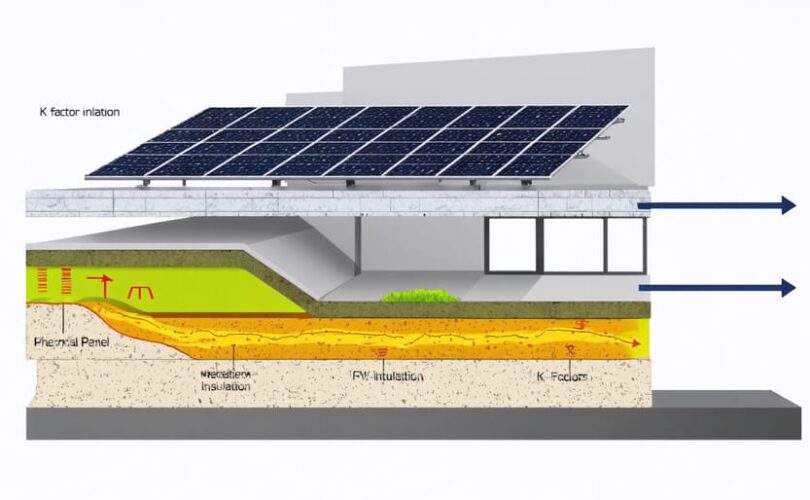
K-factor insulation plays a pivotal role in optimizing the thermal performance of building-integrated photovoltaic systems, directly impacting both energy efficiency and power generation capacity. This thermal resistance coefficient, measured in watts per meter-kelvin (W/m·K), determines how effectively building materials prevent heat transfer across facade elements. As global energy standards become increasingly stringent, understanding k-factor insulation has become crucial for architects, engineers, and solar professionals working on advanced building envelopes. The integration of appropriate insulation materials, characterized by their k-factor values, enables precise temperature control within photovoltaic installations while maintaining optimal operating conditions for maximum power output. Recent advances in material science have introduced innovative insulation solutions that not only enhance thermal management but also contribute to the overall sustainability goals of modern building design.
Understanding K-Factor Insulation in Building-Integrated Photovoltaics
What is K-Factor Insulation?
K-factor, also known as thermal conductivity coefficient, is a fundamental measure that quantifies a material’s ability to conduct heat. In BIPV insulation systems, this value represents the rate at which heat transfers through a material per unit area, per degree of temperature difference, per unit thickness. The k-factor is expressed in units of W/(m·K) or Btu·in/(h·ft²·°F).
A lower k-factor indicates better insulating properties, as the material is less effective at conducting heat. This measurement is crucial for determining the thermal performance of building materials and plays a vital role in energy efficiency calculations. When selecting insulation materials for photovoltaic installations, engineers consider the k-factor alongside other thermal properties to optimize both energy generation and building thermal management.
The k-factor varies with temperature, density, moisture content, and age of the material. Modern insulation materials used in building-integrated photovoltaic systems typically feature k-factors ranging from 0.02 to 0.05 W/(m·K), offering excellent thermal resistance while maintaining structural integrity and fire safety requirements.
The Role of K-Factor in Facade PV Performance
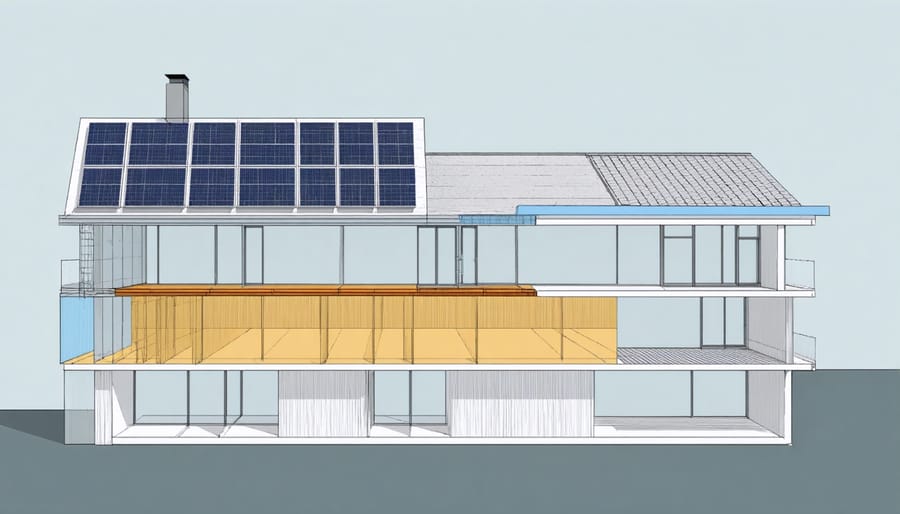
The k-factor plays a crucial role in determining the performance and efficiency of facade-integrated photovoltaic systems. As solar panels convert only 15-20% of absorbed solar energy into electricity, the remaining energy transforms into heat, potentially impacting both panel efficiency and building thermal loads. A lower k-factor in the insulation material helps maintain optimal operating temperatures for PV panels while reducing heat transfer to the building interior.
Research demonstrates that PV panels experience a 0.3-0.5% efficiency decrease for every degree Celsius rise above their rated operating temperature. Proper k-factor insulation helps mitigate this temperature-induced performance degradation by creating an effective thermal barrier. This barrier serves dual purposes: maintaining PV cell efficiency and contributing to the building’s overall energy performance.
When designing facade PV systems, the selection of insulation materials with appropriate k-factors must balance multiple considerations, including local climate conditions, building energy requirements, and system cost-effectiveness. Modern high-performance insulation materials with low k-factors can help achieve optimal thermal management while maximizing both energy generation and building energy efficiency.
Thermal Management Benefits for Facade-Integrated PV Systems
Temperature Regulation and Power Output
K-factor insulation plays a crucial role in maintaining optimal operating temperatures for facade PV installations, directly impacting their power output efficiency. As photovoltaic cells heat up, their electrical conversion efficiency typically decreases by 0.4-0.5% for every degree Celsius above their rated temperature. Proper insulation helps manage this thermal challenge through two primary mechanisms.
First, it creates a thermal barrier that prevents excessive heat transfer between the building envelope and the PV modules. This regulation helps maintain more stable operating temperatures, particularly during peak sunlight hours when thermal management is most critical. Second, the insulation layer facilitates controlled heat dissipation, preventing the accumulation of thermal energy that could otherwise compromise system performance.
The effectiveness of k-factor insulation in temperature regulation depends on material properties and installation quality. Materials with lower k-values provide better thermal resistance, helping maintain photovoltaic cells closer to their optimal operating temperature range of 25-35°C. This temperature control not only enhances immediate power output but also contributes to the long-term durability of the system by reducing thermal stress on components.
For building-integrated applications, this thermal management capability serves the dual purpose of improving PV efficiency while contributing to the building’s overall energy performance, making it an essential consideration in system design and implementation.
Building Energy Conservation
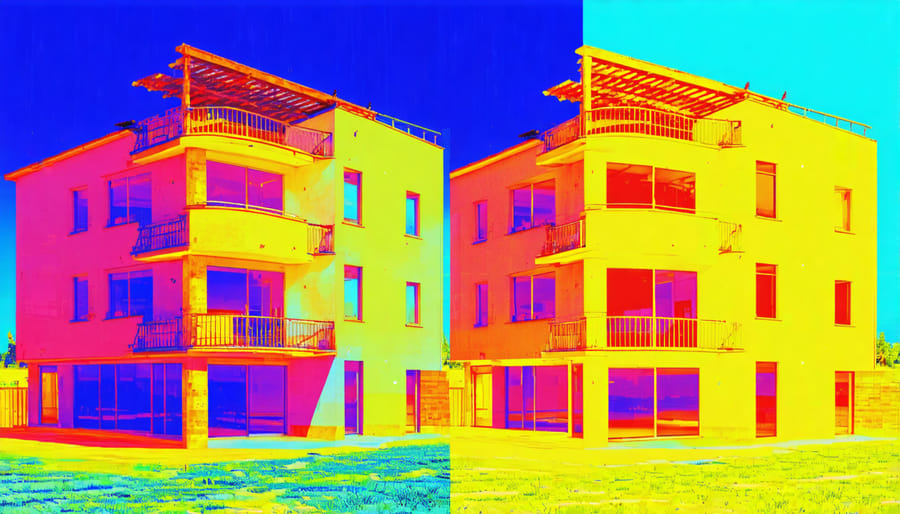
The implementation of k-factor insulation in building envelopes significantly impacts energy conservation and thermal performance. Studies have shown that properly installed insulation with optimal k-factor values can reduce heating and cooling energy consumption by 20-50% compared to poorly insulated structures. This reduction directly translates to lower operational costs and decreased carbon emissions.
When integrated into modern building designs, k-factor insulation creates an effective thermal barrier that minimizes heat transfer between interior and exterior environments. The insulation’s effectiveness is particularly notable during extreme weather conditions, where it maintains stable indoor temperatures while reducing the load on HVAC systems.
Research conducted across various climate zones demonstrates that buildings utilizing high-performance k-factor insulation typically achieve 30-40% better energy efficiency ratings than those meeting minimum insulation standards. This improvement stems from the material’s ability to resist heat flow and maintain consistent thermal conditions throughout the building envelope.
For commercial buildings, the economic benefits of enhanced thermal insulation become evident through reduced energy bills and extended HVAC equipment lifespan. The initial investment in premium k-factor insulation materials typically yields returns within 3-5 years through reduced operational costs. Additionally, buildings with superior thermal envelopes often qualify for energy efficiency certifications and environmental building standards, potentially increasing property value and attracting environmentally conscious tenants.
The role of k-factor insulation in building energy conservation continues to evolve with advancing materials technology and increasingly stringent energy codes.
Selection and Implementation Guidelines
Material Selection Criteria
The selection of appropriate insulation materials for facade-integrated PV systems requires careful consideration of multiple factors to ensure optimal thermal performance metrics and system efficiency. Primary considerations include thermal conductivity (k-value), material durability, moisture resistance, and fire safety ratings.
Material density and thickness play crucial roles in determining insulation effectiveness. Higher-density materials typically offer better thermal resistance but must be balanced against weight constraints of the facade structure. Environmental conditions, such as temperature fluctuations, UV exposure, and precipitation levels, significantly impact material selection and longevity.
Cost-effectiveness should be evaluated through a life-cycle assessment approach, considering initial investment, installation requirements, maintenance needs, and expected service life. Materials should comply with local building codes and environmental regulations while meeting sustainability objectives.
Installation compatibility with PV system components is essential. The chosen insulation must accommodate electrical conduits, mounting hardware, and ventilation requirements without compromising system performance. Materials should maintain dimensional stability under varying temperatures to prevent thermal stress on PV panels.
Fire resistance classification and smoke development ratings are critical safety considerations. Materials must meet or exceed regional fire safety standards while providing adequate protection for electrical components. Additionally, vapor permeability characteristics should be carefully evaluated to prevent moisture accumulation that could affect both insulation performance and PV system integrity.
The selection process should also account for future maintenance accessibility and potential system modifications, ensuring the chosen materials support long-term system optimization and serviceability.
Installation Best Practices
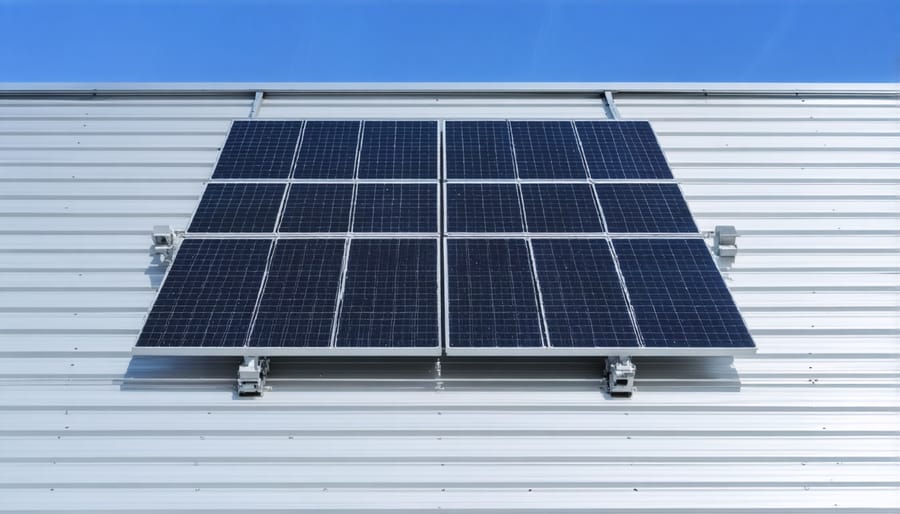
Proper installation of k-factor insulation in photovoltaic systems requires careful attention to detail and adherence to industry standards. Begin by conducting a thorough assessment of the installation site, including thermal mapping and structural analysis. This ensures optimal placement and integration with existing building components.
When installing k-factor insulation, maintain consistent thickness throughout the application area to prevent thermal bridges. Apply a vapor barrier on the warm side of the insulation to prevent moisture accumulation, which can compromise both insulation performance and PV system efficiency. Ensure all seams are properly sealed using manufacturer-recommended materials and techniques.
For facade-integrated PV systems, create proper ventilation channels between the insulation layer and PV panels. This typically requires maintaining an air gap of 20-40mm, depending on system specifications and local climate conditions. Install thermal breaks at mounting points to minimize heat transfer through structural components.
Pay special attention to edge sealing and weather protection. Use appropriate flashing and waterproofing materials compatible with both the insulation and PV system components. Install drainage planes where necessary to manage potential moisture infiltration.
Monitor installation temperatures and weather conditions, as these factors can affect adhesive performance and material expansion rates. Document all installation steps and conduct quality control checks at each phase of the process.
For optimal performance, integrate temperature sensors at key points to monitor system behavior post-installation. This data helps verify proper installation and enables early detection of potential issues. Regular maintenance inspections should be scheduled to ensure continued system efficiency and identify any necessary adjustments or repairs.
Follow local building codes and manufacturer specifications throughout the installation process. Professional certification and training are recommended for installers to ensure proper handling and integration of k-factor insulation with PV systems.
Performance Monitoring and Maintenance
Monitoring Techniques
Effective monitoring of k-factor insulation performance requires precise measurement techniques and specialized equipment. The primary tool used in the field is the heat flux meter, which measures the rate of heat transfer through insulating materials under controlled conditions. This device, when coupled with temperature sensors on both sides of the insulation, provides accurate data for calculating the k-factor.
Infrared thermography serves as another crucial monitoring technique, offering non-invasive visual assessment of insulation effectiveness. Using thermal imaging cameras, technicians can identify areas of heat loss and potential insulation failures through temperature distribution patterns. This method is particularly valuable for large-scale installations and routine maintenance inspections.
Laboratory testing employs guarded hot plate apparatus and heat flow meters following standards such as ASTM C518 and ISO 8301. These methods provide highly accurate measurements under controlled environmental conditions, essential for product certification and quality assurance.
Real-time monitoring systems incorporating multiple temperature sensors and data loggers enable continuous performance tracking. These systems often feature automated alerts for deviations from optimal insulation values, allowing prompt intervention when efficiency decreases.
For field verification, professionals use U-value measurements combined with environmental data logging to assess actual performance against design specifications. This comprehensive approach ensures that insulation maintains its effectiveness throughout its operational lifetime and meets energy efficiency requirements.
Maintenance Requirements
To maintain optimal thermal performance of k-factor insulation in facade-integrated photovoltaic systems, regular maintenance and inspection procedures are essential. A comprehensive maintenance schedule should include quarterly visual inspections to identify any signs of physical damage, moisture penetration, or deterioration of the insulation material.
During inspections, particular attention should be paid to sealing points, joints, and areas around mounting hardware where thermal bridges might develop. Any gaps, cracks, or compromised sections should be documented and repaired promptly to prevent degradation of insulation efficiency.
Moisture content monitoring is crucial, as water infiltration can significantly impair the insulation’s k-factor value. Annual moisture testing using calibrated meters should be performed, especially in regions with high humidity or frequent precipitation. If moisture levels exceed acceptable thresholds, immediate remediation measures must be implemented.
Thermal imaging surveys conducted bi-annually can help identify hot spots or areas of reduced insulation effectiveness. These assessments should be performed during peak solar radiation periods to capture maximum thermal variations. Documentation of thermal patterns over time enables tracking of insulation performance degradation.
Professional cleaning of exposed insulation surfaces may be required annually to remove accumulated dirt and debris that could impact thermal conductivity. When conducting maintenance, technicians should avoid using harsh chemicals or abrasive materials that might damage the insulation structure or protective coatings.
Regular performance monitoring through temperature sensors and data logging systems provides valuable insights into insulation efficiency trends and helps optimize maintenance schedules.
The role of k-factor insulation in facade-integrated PV systems continues to evolve as the building-integrated photovoltaics industry advances. Through proper understanding and implementation of thermal insulation principles, stakeholders can significantly enhance both the energy efficiency and operational lifespan of BIPV installations. The dual benefits of improved thermal management and increased electrical output make k-factor insulation a crucial consideration in modern sustainable building design.
Looking ahead, emerging technologies and materials science innovations promise even more efficient insulation solutions for BIPV facades. Research trends indicate a growing focus on nano-engineered materials with superior thermal properties and smart insulation systems that can dynamically respond to environmental conditions. These developments, coupled with increasingly stringent energy efficiency regulations worldwide, suggest a promising future for advanced insulation technologies in photovoltaic applications.
Industry professionals should stay informed about these evolving technologies while maintaining a balanced approach to system design. The optimal selection and implementation of insulation materials will remain critical for maximizing PV system performance while ensuring building envelope integrity. As the industry moves toward net-zero energy buildings, the integration of effective thermal insulation with photovoltaic systems will become increasingly important for achieving sustainable architecture goals.
Success in this field will require continued collaboration between manufacturers, researchers, and practitioners to develop and implement innovative solutions that address both current challenges and future requirements in facade-integrated PV systems.