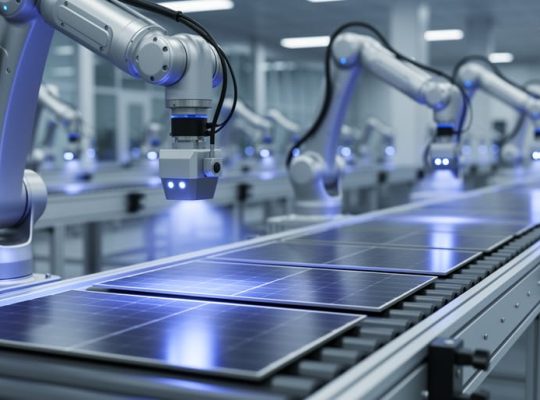
In an era where manufacturing facilities face unprecedented cyber threats, the convergence of operational technology (OT) and information technology (IT) has created both opportunities and vulnerabilities in photovoltaic production environments. Recent statistics reveal that manufacturing cybersecurity incidents have surged by 300% since 2019, with automated production systems becoming prime targets for sophisticated attacks. The integration of Industrial Internet of Things (IIoT) devices, smart sensors, and interconnected control systems has expanded the attack surface dramatically, making robust cybersecurity measures not just beneficial but essential for operational continuity.
Manufacturing facilities, particularly in the photovoltaic sector, present unique cybersecurity challenges due to their complex ecosystem of legacy systems, real-time operational requirements, and sensitive intellectual property. A successful cyber attack can result in production downtime, compromised product quality, and significant financial losses, with average incident recovery costs exceeding $5 million. More critically, breaches can compromise proprietary manufacturing processes and threaten the integrity of entire supply chains.
This evolving threat landscape demands a comprehensive, multi-layered approach to cybersecurity that addresses both technical vulnerabilities and human factors while maintaining the delicate balance between security and operational efficiency.
The Digital Transformation of PV Manufacturing
Industry 4.0 in Solar Manufacturing
The integration of Industry 4.0 principles into solar manufacturing has transformed traditional production lines into smart factories in PV production, creating interconnected systems that enhance efficiency and quality control. These advanced manufacturing facilities utilize Industrial Internet of Things (IIoT) sensors, artificial intelligence, and machine learning algorithms to optimize production parameters in real-time. Automated guidance systems and collaborative robots work alongside human operators, while digital twins enable virtual monitoring and predictive maintenance of equipment.
The implementation of connected systems in solar manufacturing presents unique cybersecurity challenges. Production line controllers, quality inspection systems, and inventory management platforms generate vast amounts of sensitive data that requires protection. Manufacturing execution systems (MES) integrate with enterprise resource planning (ERP) software, creating potential vulnerabilities at multiple connection points. To maintain operational integrity, manufacturers must implement robust security protocols, including network segmentation, encrypted communications, and continuous monitoring of all IoT devices and automated systems. This comprehensive approach helps protect intellectual property and ensures uninterrupted production of photovoltaic components.
Critical Control Systems
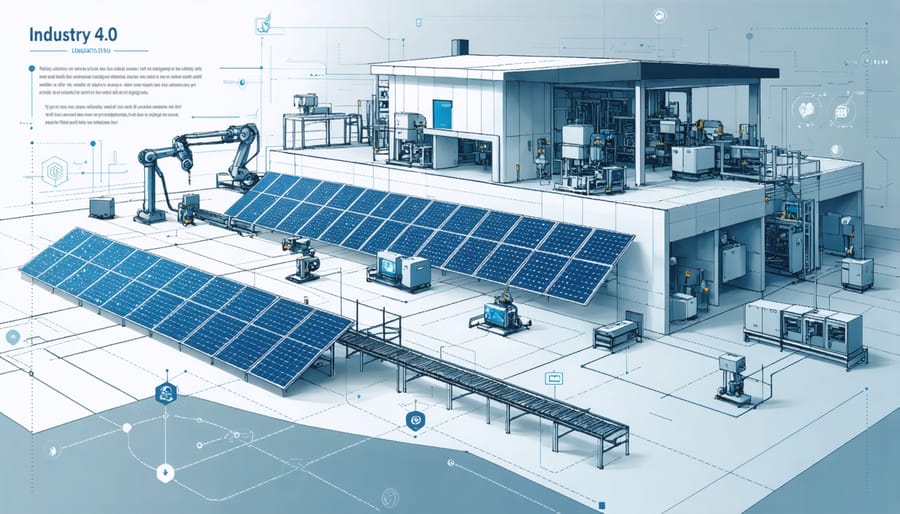
In modern PV manufacturing facilities, critical control systems form the backbone of automated production processes. These systems, including Programmable Logic Controllers (PLCs), Supervisory Control and Data Acquisition (SCADA) systems, and digital twin technology, manage essential operations from material handling to quality control.
Key vulnerability points exist where these systems interface with external networks, remote access points, and third-party maintenance connections. Industrial Control Systems (ICS) are particularly susceptible to cyber threats due to their legacy architectures and extended operational lifecycles. Common attack vectors include compromised Human-Machine Interfaces (HMIs), unauthorized PLC programming modifications, and manipulated sensor data.
Critical systems in PV manufacturing require specialized protection due to the precise nature of solar cell production. A breach in these systems could lead to significant quality issues, production downtime, or equipment damage. Manufacturing execution systems (MES) that coordinate production workflows must be secured through robust authentication protocols, encrypted communications, and regular security audits to maintain operational integrity and protect intellectual property.
Common Cyber Threats in PV Manufacturing

Industrial Control System Attacks
Industrial control systems (ICS) in manufacturing environments face increasingly sophisticated cyber threats that can disrupt production processes and compromise operational safety. These systems, including Programmable Logic Controllers (PLCs), Supervisory Control and Data Acquisition (SCADA) systems, and Distributed Control Systems (DCS), are particularly vulnerable due to their integration with enterprise networks and the Industrial Internet of Things (IIoT).
Common attack vectors targeting manufacturing control systems include malware specifically designed to manipulate industrial processes, unauthorized remote access attempts, and man-in-the-middle attacks that can alter control commands or sensor readings. The consequences of successful attacks can be severe, ranging from production downtime and equipment damage to potential safety hazards and environmental incidents.
Notable examples include the Stuxnet worm, which targeted industrial control systems and demonstrated how sophisticated malware could physically damage manufacturing equipment. More recent incidents have shown attackers specifically targeting production recipe modifications and quality control parameters, potentially affecting product integrity without immediate detection.
To protect against these threats, manufacturers must implement defense-in-depth strategies that include network segmentation, regular security assessments, and continuous monitoring of control system activities. Essential security measures include maintaining strict access controls, implementing secure remote access protocols, and ensuring proper configuration management of control system components.
Supply Chain Vulnerabilities
Modern manufacturing facilities face significant cybersecurity challenges due to increasingly interconnected supply chain systems. The integration of Industry 4.0 technologies, while enhancing operational efficiency, has created new vulnerabilities that malicious actors can exploit. These risks are particularly pronounced in photovoltaic manufacturing, where complex supplier networks and automated production processes require robust security measures.
Key vulnerabilities often emerge from third-party vendor access, legacy systems integration, and insufficient supply chain transparency. Manufacturers must contend with risks such as compromised vendor credentials, unauthorized access to production systems, and potential disruption of critical material flows.
The impact of supply chain attacks can be severe, ranging from production delays and quality control issues to intellectual property theft and compromised product integrity. Recent incidents have shown that attackers often target smaller suppliers with weaker security measures to gain access to larger manufacturing operations.
To mitigate these risks, manufacturers should implement comprehensive vendor risk assessment programs, establish secure communication protocols, and maintain detailed audit trails of supply chain interactions. Regular security assessments, strict access controls, and real-time monitoring of supplier connections are essential components of an effective defense strategy. Additionally, implementing segregated networks for different supply chain components can help contain potential breaches and minimize their impact on overall operations.
Essential Security Measures
Network Segmentation and Access Control
Network segmentation plays a crucial role in protecting manufacturing operations by dividing the network infrastructure into distinct zones based on functionality and security requirements. In manufacturing environments, this typically involves separating operational technology (OT) networks from information technology (IT) networks, creating secure boundaries between production systems, enterprise networks, and external connections.
Implementation of proper access control mechanisms ensures that only authorized personnel can access specific network segments and resources. This includes establishing role-based access control (RBAC) systems, where permissions are assigned based on job functions and responsibilities. Manufacturing facilities should maintain detailed documentation of access privileges and regularly review and update these permissions as roles change.
Key best practices include:
– Implementing demilitarized zones (DMZs) between manufacturing networks and external connections
– Utilizing industrial firewalls and security appliances designed specifically for manufacturing environments
– Deploying network monitoring tools to detect unauthorized access attempts and suspicious activities
– Establishing secure remote access protocols for vendors and maintenance personnel
– Regular network security audits and vulnerability assessments
Physical security measures should complement network segmentation, including controlled access to network infrastructure components and manufacturing control systems. Organizations should also implement network authentication protocols, such as 802.1X, to prevent unauthorized devices from connecting to the manufacturing network.
Regular testing of network segmentation controls ensures their effectiveness and helps identify potential security gaps before they can be exploited by threat actors.
Real-time Monitoring Systems
Real-time monitoring systems form a critical defense layer in manufacturing cybersecurity, providing continuous surveillance of production environments and rapid threat detection. These systems utilize advanced sensors and analytics to track network traffic, system performance, and potential security breaches across the manufacturing floor.
Modern manufacturing facilities implement AI-powered monitoring systems that can identify anomalies in operational patterns and alert security teams before potential threats escalate into serious incidents. These platforms analyze multiple data streams simultaneously, including equipment performance metrics, network communications, and access control systems.
Key components of effective monitoring systems include:
– Network traffic analyzers that detect unusual data patterns
– Security Information and Event Management (SIEM) solutions
– Automated alert systems for immediate response
– Asset tracking and inventory management tools
– Performance baseline monitoring
Implementation requires careful integration with existing manufacturing processes to avoid disruption while maintaining comprehensive security coverage. Organizations should establish clear protocols for alert response and ensure proper staff training in system operation and maintenance.
Regular system updates and calibration help maintain monitoring effectiveness and adapt to emerging threats. This proactive approach enables manufacturers to identify and address security vulnerabilities before they can be exploited, ensuring continuous production and protecting sensitive intellectual property.

Employee Training and Security Protocols
Employee training represents the first line of defense against cybersecurity threats in manufacturing environments. Organizations must establish comprehensive security awareness programs that address both general cybersecurity principles and industry-specific challenges. Regular training sessions should cover essential topics such as password management, phishing detection, social engineering awareness, and proper handling of sensitive manufacturing data.
Manufacturing facilities should implement role-based security protocols that clearly define access levels and responsibilities for different personnel. This includes establishing strict authentication procedures, maintaining detailed logs of system access, and regularly updating security clearances based on job functions and requirements.
Security protocols must address both digital and physical access controls, particularly in areas where manufacturing systems interface with enterprise networks. This includes implementing proper visitor management systems, securing wireless networks, and maintaining strict controls over USB devices and removable media.
Regular security drills and simulations help employees understand their roles during potential cyber incidents. These exercises should include scenarios specific to manufacturing operations, such as responding to control system breaches or unauthorized access to production equipment.
Documentation of security procedures should be readily available and regularly updated. This includes maintaining current emergency response plans, incident reporting procedures, and contact information for key security personnel. Organizations should also establish clear communication channels for reporting suspicious activities or potential security breaches.
All security measures should be regularly reviewed and updated to address emerging threats and changing manufacturing technologies. This includes conducting periodic security audits and incorporating feedback from employees to improve existing protocols.
Incident Response Planning
In manufacturing environments, a well-structured incident response plan serves as the cornerstone of cybersecurity resilience. This plan must address the unique challenges of maintaining continuous production while effectively responding to security breaches. The response strategy should be documented, regularly updated, and readily accessible to all relevant personnel.
Key components of an effective incident response plan include clear roles and responsibilities, communication protocols, and step-by-step procedures for different types of security incidents. Manufacturing facilities should establish a dedicated incident response team comprising IT security specialists, operations managers, and production floor supervisors to ensure comprehensive coverage of both technical and operational aspects.
The response plan should outline specific procedures for various scenarios, such as malware infections, unauthorized access attempts, and potential data breaches. These procedures must consider the impact on production systems and include strategies for maintaining critical operations while addressing security incidents. Regular testing through tabletop exercises and simulated incidents helps identify gaps and improves team readiness.
Documentation and reporting protocols are essential elements of the response plan. This includes maintaining detailed incident logs, conducting post-incident analysis, and implementing lessons learned to prevent similar occurrences. The plan should also address compliance requirements and regulatory reporting obligations specific to manufacturing operations.
Periodic review and updates of the incident response plan ensure its continued effectiveness as manufacturing technologies and threat landscapes evolve. This includes incorporating new security tools, updating contact information, and refining procedures based on industry best practices and actual incident experiences.
As the photovoltaic manufacturing sector continues to evolve, the importance of robust cybersecurity measures cannot be overstated. The integration of smart manufacturing technologies, while bringing unprecedented efficiency and productivity gains, has also introduced new vulnerabilities that require constant vigilance and proactive management.
Throughout this discussion, we’ve explored how cyber threats specifically target PV manufacturing facilities, from intellectual property theft to production line disruptions. The key takeaway is that a comprehensive cybersecurity strategy must encompass multiple layers of protection, including network segmentation, regular security audits, employee training, and incident response planning.
Looking ahead, several trends will shape the future of cybersecurity in PV manufacturing. Artificial intelligence and machine learning are emerging as powerful tools for threat detection and response, enabling manufacturers to identify and neutralize potential attacks before they cause significant damage. The adoption of zero-trust architecture frameworks is expected to become standard practice, particularly as supply chain networks become more complex and interconnected.
Industry collaboration will play a crucial role in strengthening cybersecurity across the PV manufacturing sector. Sharing threat intelligence, best practices, and lessons learned from security incidents will help create a more resilient industry ecosystem. Additionally, partnerships between manufacturers, technology providers, and cybersecurity experts will be essential for developing innovative solutions to emerging threats.
The future outlook for cybersecurity in PV manufacturing emphasizes the need for adaptability and continuous improvement. As threat actors become more sophisticated, manufacturers must stay ahead by investing in advanced security technologies, fostering a security-first culture, and maintaining compliance with evolving regulatory requirements.
Success in this evolving landscape will depend on striking the right balance between operational efficiency and security measures. By implementing robust cybersecurity frameworks while maintaining production goals, PV manufacturers can protect their assets, maintain customer trust, and contribute to the sustainable growth of the renewable energy sector.