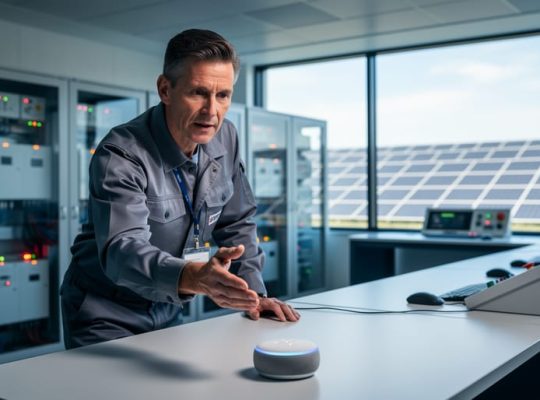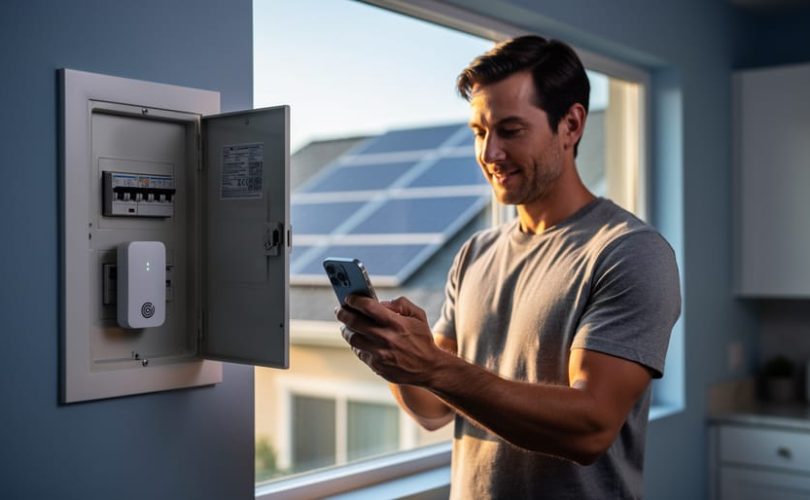
Z-Wave energy monitors transform raw consumption data into interactive, reward-driven experiences that drive measurable behavior change in residential and commercial photovoltaic installations. Install wireless Z-Wave sensors at circuit breakers or individual appliances to capture real-time energy consumption data with 1-5% accuracy, transmitting readings every 15-30 seconds to create granular usage profiles. Configure visual dashboards that display energy metrics as progress bars, achievement badges, and comparative rankings against household baselines or community benchmarks, leveraging the psychological principle of immediate feedback to reinforce conservation behaviors. Integrate goal-setting mechanisms that allow users to establish daily or weekly consumption targets, automatically triggering notifications when thresholds approach and celebrating reductions with point systems or virtual rewards.
The convergence of Z-Wave technology and gamification addresses a fundamental challenge in renewable energy adoption: the disconnect between abstract kilowatt-hour data and meaningful behavioral motivation. Traditional energy monitoring presents users with numerical readouts that fail to inspire sustained engagement, while gamified systems transform the same information into compelling narratives of progress, competition, and achievement. For photovoltaic professionals, implementing these systems creates opportunities to enhance system value propositions, demonstrate tangible return on investment, and foster long-term client relationships through ongoing engagement platforms.
This approach proves particularly effective in educational settings and multi-tenant properties where comparative performance metrics drive social accountability. Research demonstrates that gamified energy monitoring reduces consumption by 8-15% within the first six months, with retention rates significantly higher than conventional monitoring approaches. Understanding the technical implementation requirements, psychological design principles, and integration pathways positions aspiring PV professionals to deliver comprehensive solutions that extend beyond hardware installation into behavior-centered energy management ecosystems.
What Z-Wave Energy Monitors Actually Do
The Technical Foundation: Z-Wave Protocol Explained
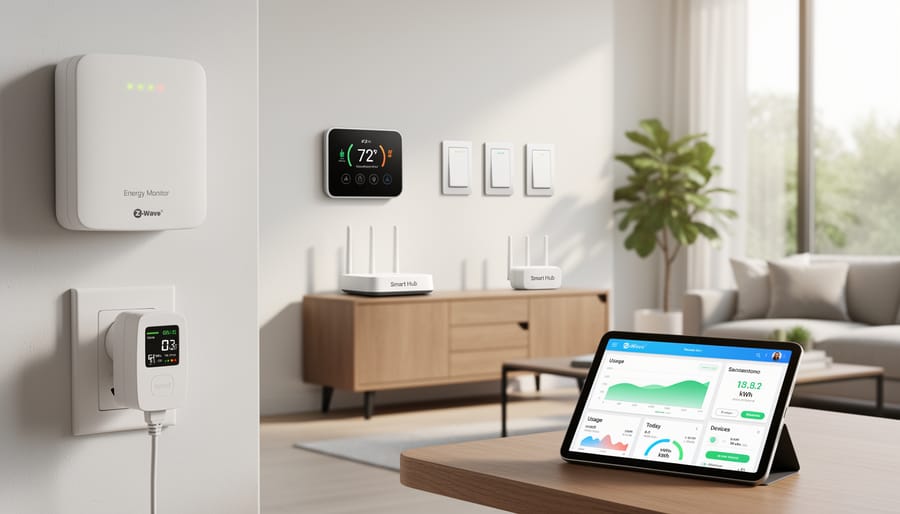
Z-Wave is a wireless communication protocol specifically engineered for low-power, reliable device connectivity within residential and commercial environments. Operating primarily on sub-1 GHz frequency bands (908.42 MHz in North America, 868.42 MHz in Europe), Z-Wave avoids interference from crowded 2.4 GHz networks used by Wi-Fi and Bluetooth devices, ensuring consistent data transmission for energy monitoring applications.
The protocol’s defining feature is its mesh networking architecture. Each Z-Wave device functions as a network node, relaying signals to extend range and improve reliability. In practical terms, your energy monitor can communicate with your gateway through multiple pathways, routing around obstacles or failed nodes automatically. This self-healing network topology proves particularly valuable in solar installations where monitoring equipment may be distributed across rooftops, inverters, and battery storage systems.
Z-Wave’s standardized communication ensures interoperability across manufacturers, enabling seamless integration with smart home ecosystems. For energy monitoring specifically, the protocol’s low latency and high message throughput support real-time data collection from multiple circuit points simultaneously. The 128-bit AES encryption provides secure transmission of consumption data, addressing privacy concerns for residential and commercial users.
With a range of approximately 100 meters per hop and support for up to 232 devices per network, Z-Wave scales effectively from single-family homes to multi-tenant buildings. This scalability, combined with minimal power consumption, positions Z-Wave as an optimal foundation for comprehensive energy monitoring systems that track photovoltaic generation, storage performance, and consumption patterns across complex installations.
Integration With Solar PV Systems
Z-Wave energy monitors provide bidirectional metering capabilities essential for comprehensive solar photovoltaic system oversight. These devices track both household consumption and solar generation simultaneously, creating a complete energy profile that reveals net consumption patterns, excess generation periods, and self-consumption rates. For residential and commercial solar installations, this dual monitoring functionality enables owners to optimize energy usage timing, identify opportunities to increase solar self-consumption, and maximize return on investment.
Modern Z-Wave monitors integrate seamlessly with smart solar monitoring platforms, transmitting real-time production and consumption data through wireless mesh networks. This integration allows users to visualize when solar generation exceeds demand, facilitating informed decisions about load shifting or battery storage utilization. Commercial installations benefit particularly from granular circuit-level monitoring, which identifies high-consumption equipment and optimal operational schedules aligned with peak solar production hours.
The technology supports net metering arrangements by accurately documenting grid export volumes and consumption from utility sources. For photovoltaic professionals and system designers, Z-Wave monitors deliver essential performance data for system commissioning, ongoing optimization, and customer education about solar energy benefits.
Gamification: Why Your Brain Responds to Energy Challenges
Core Gamification Mechanics in Energy Monitoring
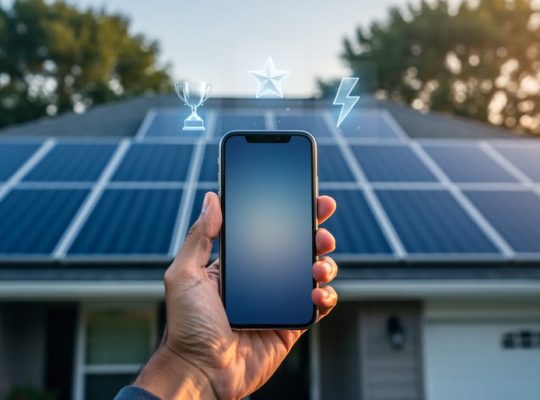
Z-Wave energy monitors enable sophisticated gamification strategies that transform energy consumption data into engaging, actionable experiences. Points systems reward users for achieving energy-saving milestones, such as reducing peak-hour consumption or staying below daily kilowatt-hour targets. These points accumulate over time, providing tangible recognition of conservation efforts that motivate continued behavioral change.
Achievement badges offer visual recognition for specific accomplishments, from first-time solar self-consumption milestones to consecutive days of meeting energy targets. Educational institutions collaborating on renewable energy programs have documented that badge systems increase sustained user engagement by 40-60% compared to traditional monitoring alone.
Leaderboards introduce friendly competition by ranking households or building occupants based on energy efficiency metrics. These comparative displays work particularly well in multi-tenant residential complexes or educational campus environments, where social dynamics encourage collective improvement. Privacy controls allow users to participate anonymously while still benefiting from peer motivation.
Challenge-based mechanics set time-limited goals, such as reducing standby power consumption during specific periods or maximizing solar self-sufficiency during peak production hours. Gamified energy monitoring apps integrate these challenges with Z-Wave sensor networks to provide real-time feedback.
Progress tracking visualizes long-term trends through intuitive dashboards, showing cumulative savings, carbon footprint reduction, and solar generation patterns. These visual representations help photovoltaic professionals demonstrate system value to clients while empowering end-users to understand their energy footprint comprehensively. Research indicates that multi-layered progress visualization increases user retention rates and supports sustained conservation behaviors essential for maximizing renewable energy system performance.
Behavioral Science Behind Reduced Consumption
Real-time energy feedback transforms abstract consumption data into actionable insights, triggering measurable behavioral changes. Research published in the Journal of Environmental Psychology demonstrates that households with immediate energy monitoring reduce consumption by 5-15% compared to control groups receiving only monthly billing statements. This phenomenon operates through multiple psychological mechanisms that Z-Wave energy monitors effectively leverage.
The immediacy principle proves particularly influential. When users observe instantaneous correlations between appliance activation and energy spikes, they develop stronger causal understanding than traditional delayed feedback systems provide. A comprehensive meta-analysis of 36 feedback studies revealed that real-time displays achieve average consumption reductions of 9.2%, significantly outperforming monthly statements at 3.8%.
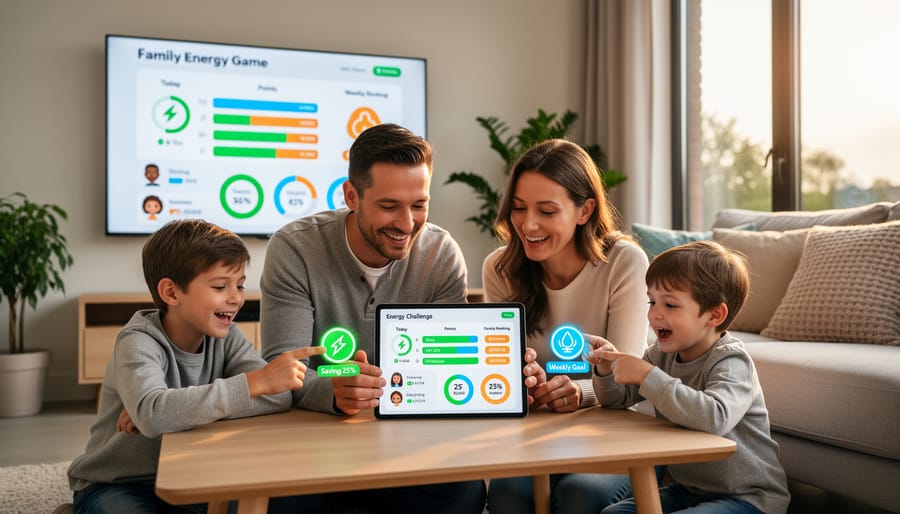
Gamification elements amplify these effects through social comparison and goal-setting frameworks. Studies from Stanford’s Precourt Energy Efficiency Center indicate that competitive leaderboards and achievement badges increase engagement duration by 47% while enhancing reduction outcomes by an additional 3-7 percentage points. The mechanism operates through loss aversion—participants demonstrate greater motivation to avoid falling behind peers than to achieve abstract efficiency targets.
Progressive goal structures maintain long-term engagement by preventing habituation. Research demonstrates that static targets lose effectiveness within 8-12 weeks, whereas adaptive challenges sustaining incremental difficulty maintain behavioral persistence. Z-Wave systems’ programmable automation capabilities support this graduated approach, allowing professionals to design intervention strategies that evolve with user competency levels, ensuring sustained participation and meaningful energy reductions across diverse residential and commercial applications.
Building a Gamified Energy Monitoring System With Z-Wave
Essential Hardware Components
A comprehensive Z-Wave energy monitoring system comprises several interconnected components that work together to track, analyze, and gamify energy consumption patterns. At the foundation lies the Z-Wave energy monitor itself, a specialized device that measures electrical usage in real-time through current transformers or clamp meters installed at the main electrical panel. These monitors communicate wirelessly using Z-Wave protocol, operating on frequencies that minimize interference with other household electronics.
The system requires a Z-Wave controller or hub to serve as the central intelligence unit, coordinating data collection from multiple sensors and enabling integration with software platforms that support gamification features. Popular controllers range from dedicated home automation hubs to software-based solutions running on local servers, each offering varying levels of customization and data accessibility.
Compatible devices extend the system’s functionality beyond basic monitoring. Smart plugs, switches, and meters can track individual appliances or circuits, providing granular consumption data essential for effective gamification. This circuit-level visibility allows users to understand which behaviors generate the most significant energy savings, creating meaningful feedback loops.
For solar photovoltaic installations, the system architecture becomes bidirectional. Energy monitors must simultaneously track both consumption from the grid and production from solar arrays. This dual monitoring capability enables comprehensive visualization of net energy usage, self-consumption rates, and grid export volumes. Advanced systems incorporate production monitoring equipment that integrates seamlessly with consumption monitors, providing the complete energy profile necessary for sophisticated gamification strategies that reward renewable energy generation alongside conservation efforts.
Software Platforms and Gamification Apps
The integration of Z-Wave energy monitoring data with gamification platforms has expanded significantly, offering diverse solutions for residential users, educational institutions, and professional training environments. These platforms transform raw energy consumption data into engaging, competitive experiences that motivate behavioral change and support renewable energy education initiatives.
Open-source platforms like Home Assistant and OpenHAB provide foundational frameworks for Z-Wave integration, allowing users to collect and visualize energy data from multiple monitoring devices. These systems support custom scripting and plugin development, enabling educators and developers to create tailored gamification experiences. Home Assistant’s energy dashboard, for instance, can integrate with Z-Wave monitors to track solar production versus consumption, establishing the data foundation for point-based challenges and achievement systems.
Commercial platforms offer more polished, ready-to-deploy solutions with built-in gamification features. Products like EnergyHub and Neurio combine Z-Wave compatibility with social comparison tools, leaderboards, and achievement badges that encourage energy conservation. These platforms typically include mobile applications with push notifications, daily challenges, and progressive reward systems that maintain user engagement over extended periods.
Educational institutions benefit from specialized platforms designed for classroom and research applications. Systems like Building Dashboard and Lucid Design Group’s solutions integrate Z-Wave energy monitoring with curriculum-aligned gamification frameworks, supporting hands-on learning about renewable energy systems and conservation principles. These platforms often include administrative dashboards for instructors to monitor student progress and adjust challenge parameters.
For photovoltaic professionals seeking to implement gamified monitoring in client installations, hybrid approaches combining Z-Wave hardware with customizable software platforms provide optimal flexibility. Solutions supporting API integration enable connection with solar monitoring systems, creating comprehensive energy management experiences that track both generation and consumption patterns while maintaining the engaging elements that drive sustained user participation and energy literacy development.
Real-World Applications for PV Professionals
Enhancing Solar ROI Through Engagement
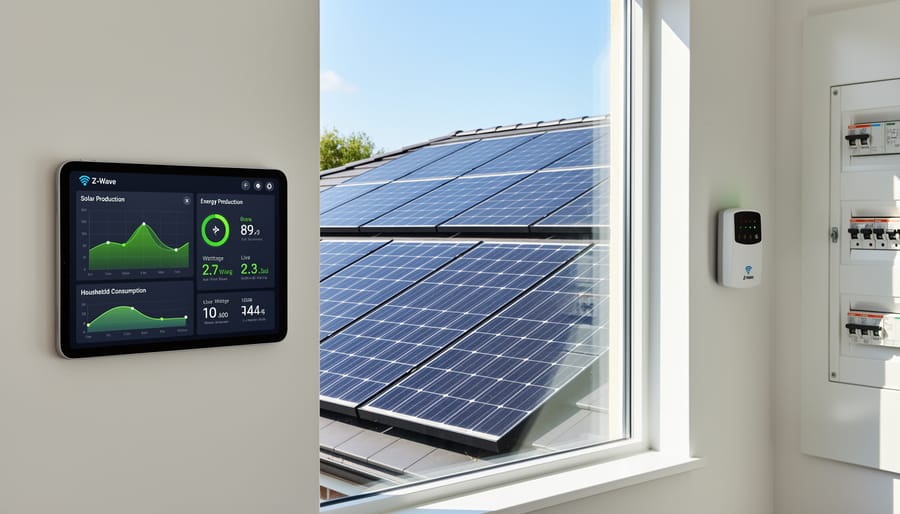
Gamified Z-Wave energy monitoring transforms solar panel investment into an interactive optimization experience, directly enhancing return on investment through behavioral engagement. By presenting real-time production and consumption data in compelling visual formats, these systems empower homeowners to align energy-intensive activities with peak solar generation periods, significantly increasing self-consumption rates from typical baselines of 30-40% to potentially 60-70%.
The engagement mechanisms inherent in gamified platforms encourage users to develop intuitive understanding of their system’s production patterns across seasons, weather conditions, and times of day. This knowledge enables proactive load shifting—running dishwashers, charging electric vehicles, and operating pool pumps during solar abundance rather than drawing from the grid during evening peak rates. Research conducted in collaboration with university energy behavior programs demonstrates that households using gamified monitoring reduce grid dependence by 18-25% compared to those with passive monitoring alone.
Achievement-based tracking creates sustained interest in system performance, prompting users to identify underperforming panels, shading issues, or maintenance needs earlier than would occur with traditional monitoring approaches. This vigilance protects system efficiency and accelerates payback periods. When integrated with adaptive solar solutions and smart home automation, Z-Wave monitors enable sophisticated energy orchestration that maximizes renewable energy utilization. For aspiring photovoltaic professionals, understanding these engagement dynamics becomes essential when designing customer-focused solar installations that deliver measurable financial benefits alongside environmental impact.
Educational and Training Applications
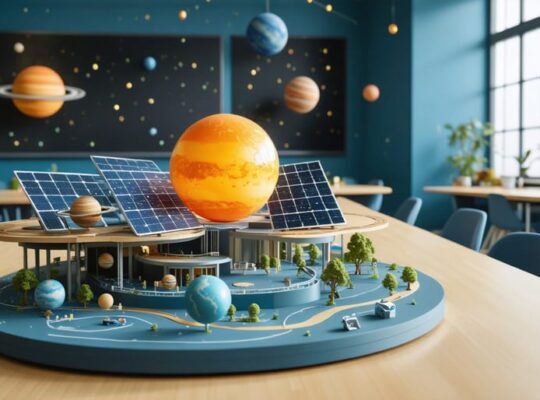
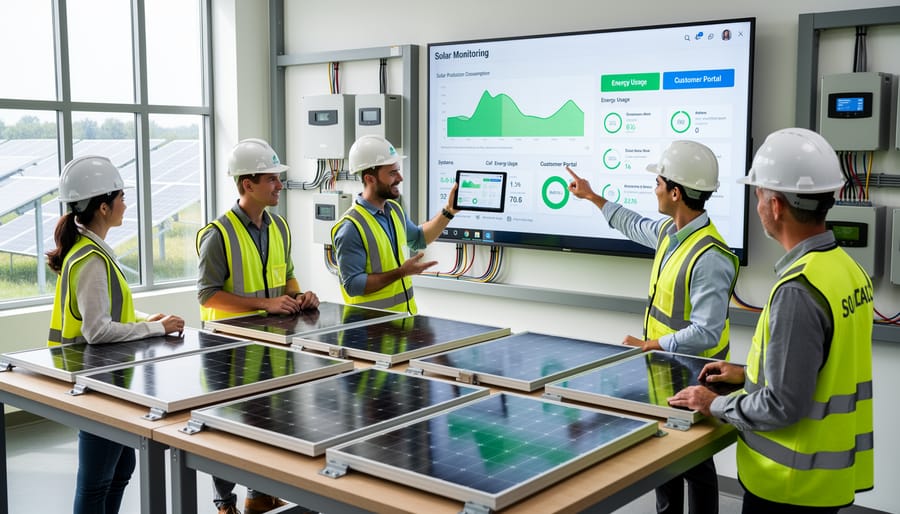
Z-Wave energy monitoring systems have emerged as powerful educational tools for photovoltaic training programs, offering students interactive pathways to understand renewable energy management. By incorporating gamified monitoring platforms, educational institutions create engaging environments where learners visualize real-time energy production and consumption patterns from solar installations.
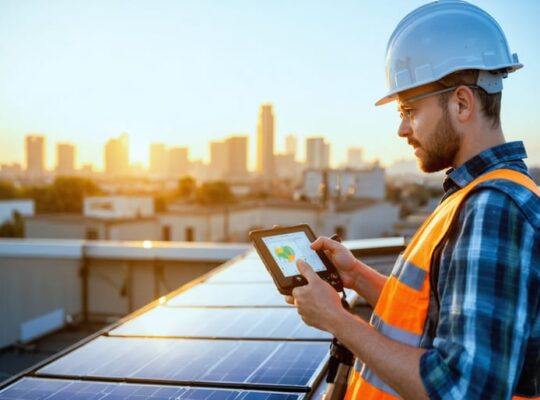
Progressive universities and technical colleges are integrating Z-Wave monitoring equipment into their curriculum, enabling students to develop practical competencies in smart energy management. These hands-on learning opportunities allow aspiring professionals to configure monitoring networks, analyze performance data, and troubleshoot system inefficiencies using the same technologies deployed in commercial settings.
Gamification elements transform standard training modules into competitive learning experiences. Students participate in energy optimization challenges, earning points for identifying efficiency improvements and reducing phantom loads. Case studies from operational solar installations provide authentic problem-solving scenarios, where trainees investigate actual performance anomalies using historical Z-Wave data logs.
Collaborative partnerships between Z-Wave technology providers and academic institutions strengthen these programs. Universities receive discounted monitoring equipment while manufacturers gain valuable feedback from next-generation professionals. This symbiotic relationship accelerates innovation and ensures graduates enter the workforce with relevant, market-ready skills in intelligent energy management systems, positioning them advantageously in the expanding photovoltaic sector.
Measuring Impact: Metrics That Matter
Establishing robust measurement frameworks for gamified Z-Wave energy monitoring systems ensures that installations deliver quantifiable value beyond user engagement. Key performance indicators should encompass multiple dimensions of system effectiveness.
Consumption reduction percentage represents the primary success metric. Research from behavioral economics suggests that well-designed gamified systems typically achieve 8-15% energy consumption reductions within the first six months. Measurement methodology requires establishing a baseline consumption period of at least three months before gamification implementation, then tracking normalized consumption data adjusted for seasonal variations, occupancy changes, and weather conditions. Z-Wave energy monitors provide granular data at 15-minute intervals, enabling statistical analysis that isolates behavioral changes from external factors.
Engagement rates measure sustained user interaction with the monitoring platform. Industry benchmarks indicate that effective gamification maintains weekly active user rates above 60% after the initial three-month period. Track metrics including login frequency, challenge participation rates, and time spent reviewing energy dashboards. Declining engagement often precedes behavioral reversion, making this an early warning indicator.
Behavioral persistence metrics assess whether energy-saving habits continue beyond active gameplay. Long-term studies demonstrate that gamified interventions can sustain 70-80% of initial savings for up to 18 months post-implementation. Measure this through consumption pattern analysis during periods when users reduce platform interaction but maintain efficient behaviors.
For photovoltaic installations, solar self-consumption optimization serves as a specialized metric. Track the percentage of solar generation consumed on-site versus exported to the grid. Gamification strategies targeting load shifting can increase self-consumption rates from typical 30-40% baselines to 55-65%, significantly improving system economics. Z-Wave monitors enable real-time production-consumption matching, while gamification incentivizes behavioral alignment with generation patterns.
Academic partnerships provide validation through controlled studies using randomized control groups, establishing causality between gamification elements and measurable outcomes. This evidence-based approach supports professional credibility and informs continuous system optimization.
Implementation Challenges and Solutions
Deploying gamified Z-Wave energy monitoring systems presents several implementation challenges that require strategic solutions to ensure long-term success and user engagement.
User fatigue represents a primary concern, as initial enthusiasm for gamification features often diminishes over three to six months. Research from behavioral science studies indicates that sustained engagement requires evolving challenges and meaningful rewards. Solutions include implementing progressive difficulty levels, rotating seasonal competitions, and establishing social accountability through community leaderboards. Educational programs developed in collaboration with universities have demonstrated that connecting energy savings to tangible environmental outcomes, such as carbon footprint reduction, maintains user motivation more effectively than abstract point systems alone.
Technology barriers affect approximately 30 percent of potential users, particularly those unfamiliar with smart home ecosystems. The Z-Wave protocol’s mesh networking architecture, while robust, requires proper installation and configuration. Best practices include providing clear setup documentation with visual guides, offering remote technical support during initial installation, and developing simplified mobile applications with intuitive interfaces. Professional installers should conduct thorough site assessments to identify potential interference sources and ensure adequate signal coverage throughout monitored areas.
Data privacy concerns have intensified as consumers become more aware of cybersecurity risks. Z-Wave’s AES-128 encryption provides baseline protection, but comprehensive solutions must address data storage, third-party sharing policies, and user consent protocols. Implementing local data processing where possible, maintaining transparent privacy policies, and obtaining relevant certifications such as GDPR compliance builds user trust and meets regulatory requirements.
Initial investment costs, ranging from 500 to 1,500 dollars for comprehensive systems, create adoption barriers despite long-term savings potential. Financial solutions include phased implementation approaches, utility rebate programs, and demonstrating return on investment through detailed energy audits. Academic research partnerships have validated that systems typically achieve payback periods of 18 to 36 months when combined with behavioral modifications encouraged through gamification.
Integration complexity with existing photovoltaic installations requires careful planning. Ensuring compatibility between Z-Wave monitors, inverter communication protocols, and battery storage systems demands technical expertise. Standardized integration frameworks and certified installer training programs address these challenges while maintaining system reliability and measurement accuracy throughout the monitoring network.
The convergence of Z-Wave energy monitoring technology with gamification principles represents a significant advancement in sustainable energy management, particularly for photovoltaic installations. This integration addresses a critical challenge in the renewable energy sector: transforming passive energy consumption data into actionable behavioral change. By leveraging Z-Wave’s reliable mesh networking capabilities alongside game mechanics such as achievement systems, leaderboards, and real-time feedback, professionals can create compelling user experiences that drive measurable reductions in energy waste while optimizing solar generation utilization.
For photovoltaic professionals, implementing these systems offers multiple strategic advantages. Enhanced client engagement through gamified dashboards increases customer satisfaction and strengthens long-term relationships. The granular monitoring capabilities of Z-Wave devices provide invaluable data for system performance analysis, enabling proactive maintenance and maximizing return on investment for solar installations. Furthermore, as energy markets evolve toward demand response programs and time-of-use pricing structures, the behavioral insights gained through gamified monitoring position professionals to offer sophisticated energy management services that extend beyond traditional installation work.
The evidence supporting gamification’s effectiveness in energy conservation is compelling, with documented consumption reductions ranging from 8 to 15 percent in residential applications. When combined with solar generation, these systems create a powerful feedback loop that encourages optimal energy self-consumption and reduces grid dependence.
As the smart energy landscape continues to evolve, staying current with Z-Wave protocols, gamification strategies, and integration methodologies becomes essential for competitive differentiation. We encourage photovoltaic professionals to explore implementation opportunities in upcoming projects and pursue continuing education in smart energy technologies. The future of renewable energy extends beyond generation capacity to encompass intelligent, user-centric energy management systems that empower consumers while advancing sustainability goals.