
Navigating on-site solar financing and incentive programs requires understanding where to find current information, how to verify eligibility requirements, and which resources deliver accurate program details for your specific location and installation type. The process centers on three coordinated steps: identifying applicable federal, state, and utility programs through official databases; gathering the technical and financial documentation needed for each program; and working with qualified installers or financial advisors who can confirm current requirements before you commit to a system design or purchase agreement.
The complexity isn’t in the concept of solar incentives, it’s in their administration. Programs layer across jurisdictions, change eligibility criteria based on installation characteristics, and update periodically as legislative sessions conclude or utility budgets reset. What worked for a neighbor last year may not apply to your project this year. Aspiring photovoltaic professionals face this navigation challenge daily when designing systems and preparing client proposals, while prospective adopters quickly discover that generic online calculators rarely account for the full spectrum of location-specific opportunities.
Effective navigation depends on verifying information at the source rather than relying on third-party summaries that may reference outdated program caps, expired application windows, or discontinued incentive structures. This guide walks through the preparation, research, and verification process that allows you to confidently identify programs, understand their requirements, and document eligibility before investing time in detailed system design or financing applications.
Essential Tools and Information You’ll Need

Before you contact lenders or submit incentive applications, gather the documentation and information that financing institutions and program administrators require. Having these materials organized upfront accelerates the approval process and helps you identify which programs match your situation.
Start with your property and financial records. You’ll need recent utility bills covering at least twelve months to demonstrate your baseline electricity consumption and current costs. This historical usage data helps installers size your system appropriately and allows financing providers to project your savings potential. Property ownership documentation proves you have the legal authority to install solar equipment and secure financing against the asset. For homeowners, this typically means a deed or recent mortgage statement; for commercial properties, additional entity documentation may be required.
Your credit profile plays a central role in financing eligibility and terms. Most lenders will review your credit score and history, so obtaining a current credit report before applying allows you to address any discrepancies and understand where you stand. If you’re considering loan products, be prepared to provide income verification through tax returns or pay stubs.
System specifications matter for both financing and incentives. When you receive proposals from installers, collect detailed information about panel wattage, inverter types, total system capacity, estimated annual production, and equipment certifications. Many incentive programs restrict eligibility to specific equipment standards or system sizes, making these technical details essential for confirming your qualification.
You’ll also need access to authoritative program databases. Identify the official websites for federal energy incentives, your state energy office, utility company rebate programs, and any municipal or county clean energy initiatives. Bookmark these primary sources rather than relying on aggregator sites, as program parameters change and only the administering agency provides current, binding information.
Maintain digital and physical copies of all documentation in an organized system. Applications often require uploading multiple files, and having everything accessible prevents delays when deadlines approach or additional verification is requested.
Understanding Your Financing and Incentive Landscape

Ownership-Based vs. Third-Party Models
Ownership structure determines who claims incentives and who benefits financially over time. When you own your solar system outright through cash purchase or a loan, you retain the right to federal tax credits, state rebates, and performance-based incentives your system generates. You also benefit from any increase in property value and full control over system decisions. This model requires upfront capital or creditworthiness to secure financing, but it typically delivers the strongest long-term returns because you capture all financial benefits without sharing them.
Third-party ownership models, leases and power purchase agreements, transfer system ownership to a financing company. The third party claims available tax credits and other ownership-based incentives because they own the equipment. You receive predetermined electricity savings through fixed lease payments or reduced per-kilowatt-hour rates, but you do not directly access most incentive programs. These arrangements eliminate upfront costs and maintenance responsibility, making solar accessible when capital or credit presents barriers.
The choice hinges on your financial situation and goals. If you have the means to own and can use tax benefits, ownership structures generally optimize lifetime value and provide maximum flexibility. If immediate cash flow matters more than long-term returns, or if tax credits offer no personal benefit due to limited tax liability, third-party models deliver savings without capital requirements. Verify which incentives you can personally claim before committing to either structure, as this determines your actual financial outcome beyond marketing projections.
Tax-Based vs. Direct Payment Incentives
Solar incentives fall into two fundamental categories based on how you receive their value: tax-based incentives that reduce your tax liability and direct payment incentives that provide immediate financial benefits. Understanding this distinction is critical because it determines both your eligibility and when you realize the value.
Tax-based incentives, such as the federal Investment Tax Credit (ITC), function by reducing the amount you owe the IRS. To benefit, you must have sufficient tax liability in the year you claim the credit. If you owe less in taxes than the credit value, you cannot capture the full benefit immediately, though some tax credits allow you to carry forward unused portions to future years. This structure favors those with steady taxable income and creates barriers for retirees, non-profit organizations, or anyone whose tax liability falls below the credit amount. You typically claim these credits when filing your annual tax return, meaning the financial benefit arrives months after your system installation and payment.
Direct payment incentives work differently. State rebates, utility company incentives, and performance-based payments like solar renewable energy certificates (SRECs) provide cash or bill credits without requiring tax liability. Rebates often arrive as upfront discounts or checks within weeks or months of system activation. Performance-based incentives generate ongoing payments tied to your system’s actual electricity production, creating a revenue stream that continues for years. Net metering programs credit your utility bill for excess generation, reducing your monthly electricity costs immediately.
Your tax situation directly determines which incentive types you can access effectively. Those with limited tax liability should prioritize direct payment programs and financing structures that don’t depend on tax credit monetization.
Critical Eligibility and Timing Considerations
Before you pursue financing or apply for incentive programs, you must confirm that you qualify and that the programs remain active. Acting on outdated information or misunderstanding eligibility criteria can derail your installation timeline, waste application fees, and lock you into unsuitable financing arrangements.
Start by checking whether your property meets fundamental requirements. Some programs exclude certain property types, rentals, new construction, or properties with existing liens may face restrictions. Zoning regulations and homeowners association rules can prohibit installations outright or impose design constraints that affect system economics. If you lease your property rather than own it, third-party ownership models may not be available, and you’ll need explicit landlord approval for any installation.
Credit considerations matter significantly for loan-based financing. Lenders establish minimum credit thresholds and debt-to-income ratios that determine approval and interest rates, but these vary widely among providers and loan products. If your credit profile doesn’t meet a lender’s standards, you may need to explore cash purchase, improve your credit position, or consider third-party ownership models that don’t require borrower qualification.
Timing creates additional constraints. Tax-based incentives require sufficient tax liability in the year you claim them, if you don’t owe enough in taxes, the benefit diminishes or disappears entirely. Performance-based programs often require pre-approval before installation begins, meaning retroactive applications get rejected. Utility interconnection processes have their own timelines and technical requirements that must align with your installation schedule.
Program changes happen frequently. Legislative sessions modify incentive structures, utility rate designs shift, and funding allocations run out mid-year. Never assume that information from a prior year, another jurisdiction, or even last month remains accurate. Contact program administrators directly, request written confirmation of current parameters, and document the date you verified each program’s status.
Step-by-Step: Navigating Your Financing and Incentive Options
Step 1: Assess Your Financial Position and Goals
Begin by gathering three months of recent utility bills to understand your baseline electricity costs and consumption patterns. This historical data establishes whether solar makes economic sense for your usage profile and helps you size the system appropriately, which directly affects financing needs.
Next, review your most recent tax return to assess your federal tax liability. Tax-based incentives require sufficient tax appetite to claim them, so understanding your position here determines whether ownership models make sense or whether you should consider third-party arrangements. If your tax situation is complex, consult a CPA familiar with renewable energy credits before proceeding.
Evaluate your available capital and credit standing honestly. Cash purchases eliminate financing costs but require significant upfront funds. Solar loans require creditworthiness, and your credit profile affects approval odds and terms offered. Know your credit score and debt-to-income ratio before approaching lenders.
Consider your timeline carefully. If you plan to move within a few years, payback calculations change significantly. If you need immediate cash flow relief rather than long-term ownership benefits, your financing choice shifts accordingly.
Many aspiring PV professionals and informed consumers benefit from structured educational programs that explain these financial assessment frameworks in detail. Mose Solar collaborates with universities to develop energy finance curricula that clarify these concepts, offering resources for those building expertise in solar project evaluation.
Step 2: Research Federal, State, and Local Incentive Programs
Begin your incentive research at the source: the federal Database of State Incentives for Renewables & Efficiency (DSIRE), maintained by the N.C. Clean Energy Technology Center, provides the most comprehensive catalog of current programs across jurisdictions. For federal incentives, consult the U.S. Department of Energy’s official resources and the IRS website directly rather than relying on installer summaries or third-party interpretations that may reflect outdated parameters.
Each state energy office maintains its own program registry with current eligibility criteria, application procedures, and funding status. Visit your state energy authority’s website, not aggregator sites, to confirm which programs remain active and accepting applications. Many states publish program manuals that detail technical requirements, project timelines, and documentation standards you’ll need to meet.
Local utility websites list net metering policies, interconnection standards, and any utility-specific rebate programs. If your utility offers performance-based incentives or renewable energy credit programs, their portal will specify measurement protocols and enrollment procedures. Municipal and county governments sometimes administer additional property tax exemptions or permitting fee waivers; check your local government’s sustainability or energy department for these opportunities.
Cross-reference program details across official sources when multiple jurisdictions offer stackable incentives. Verify effective dates, sunset provisions, and budget caps directly from program administrators. Never base financial decisions on percentages, rates, or thresholds quoted in promotional materials without confirming them against current official program documents.
Step 3: Compare Financing Products and Total Cost of Ownership
Effective comparison of financing products requires examining total cost of ownership across the system’s operational lifetime rather than focusing solely on upfront pricing or promotional rates. Start by requesting complete loan terms including interest rates, payment schedules, prepayment options, and any fees associated with origination or servicing. For lease or power purchase agreements, scrutinize escalation clauses that increase payments over time and understand buyout provisions if you wish to purchase the system later.
Calculate the full amount you’ll pay over the financing term, then factor in how incentive eligibility changes based on ownership structure. Some financing products may disqualify you from certain programs or transfer tax benefits to third parties, fundamentally altering the economic equation. Consider how different financing structures accommodate system sizing decisions, whether your chosen approach supports adaptive PV design that matches your actual consumption patterns rather than oversizing to maximize incentives.
Request itemized breakdowns showing installation costs, financing charges, maintenance provisions, insurance requirements, and performance guarantees separately. This transparency reveals where value concentrates and helps identify which financing products genuinely reduce total ownership cost versus those that simply redistribute expenses across different categories or timeframes.
Step 4: Model Combined Financial Outcomes
Modeling combined outcomes reveals how financing costs interact with available incentives over your system’s expected lifetime. Start by creating a timeline spreadsheet that tracks annual financing payments alongside expected incentive receipts, utility savings, and system degradation. Most programs provide official calculators that incorporate their specific parameters, use these tools rather than generic estimators that may not reflect current program structures.
Educational resources through university energy programs often offer modeling workshops that teach spreadsheet techniques for comparing scenarios side by side. Compare your total out-of-pocket costs under different financing structures after applying all eligible incentives, then project net cash flow year by year. Account for variables like escalating electricity rates and declining system output over time.
If your situation involves multiple layered incentives, work through each program’s calculation methodology separately before combining them, some programs use pre-incentive system costs as their basis while others use post-incentive figures. Professional development courses from institutions partnering with Mose Solar provide frameworks for evaluating these interactions without requiring advanced financial expertise. The goal is understanding which combination produces the most favorable lifetime economics for your specific circumstances, not finding a single “best” answer that applies universally.
Step 5: Verify Installer and Lender Credentials
Confirm your contractor holds current state electrical and contractor licenses for solar installations in your jurisdiction by checking with your state licensing board directly. Request evidence of NABCEP certification for lead installers and verify their experience with the specific financing products you’re considering. Ask for references from recent projects that successfully secured the same incentive programs you’re pursuing.
Review your financing provider’s credentials through your state banking regulator or consumer protection office. Verify they are authorized to offer solar loans or leases in your area and have an established track record of working with solar contractors. Request documentation showing their familiarity with local interconnection requirements and utility approval processes.
Examine each party’s capacity to manage program documentation by asking how they handle incentive applications, utility agreements, and inspection reports. Many installer best practices include dedicated staff for navigating paperwork requirements. Confirm both installer and lender can provide detailed timelines for each approval stage and have contingency plans if program parameters change during your project.
Step 6: Submit Applications and Track Approvals
Once you have selected your financing product and identified applicable incentive programs, submit applications systematically. Complete each form carefully, double-checking technical specifications, property details, and financial information. Scan and organize supporting documents, utility bills, proof of ownership, system quotes, contractor licenses, into clearly labeled digital files. Submit financing applications first to secure approval before incentive registrations that may require proof of funding. Track each submission with a simple spreadsheet noting application date, confirmation numbers, expected response timelines, and contact information. Modern platforms with better UX for applications often provide status dashboards, but maintain your own records as backup. Set calendar reminders to follow up if you do not receive responses within stated timeframes, and save all approval letters immediately upon receipt for installation coordination and future audits.
How User-Centric UX Improves the Navigation Experience
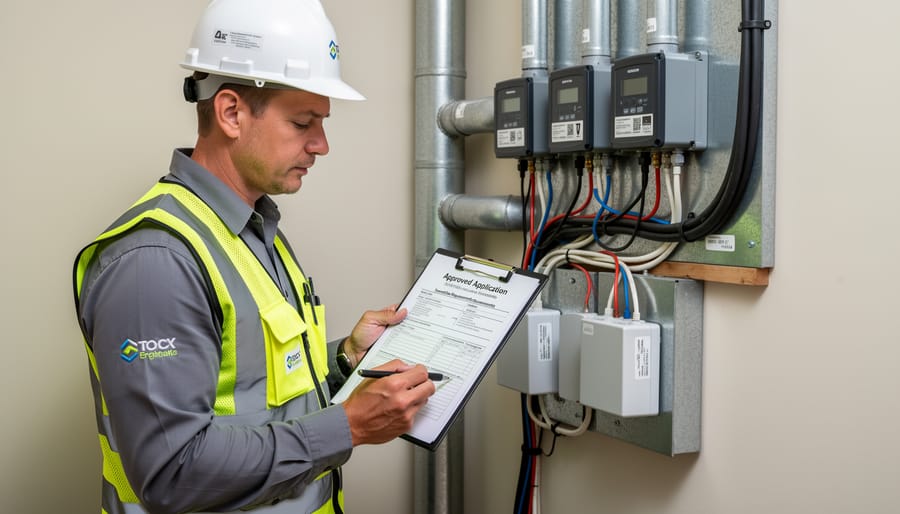
Modern digital platforms have transformed how aspiring PV professionals and prospective solar adopters evaluate their financing and incentive options. Well-designed user experiences eliminate much of the confusion that once made solar financing feel inaccessible, replacing spreadsheets and multiple phone calls with streamlined interfaces that guide users through the decision-making process.
User-centric platforms employ automated eligibility screening that instantly filters financing products and incentive programs based on your location, property type, and basic financial inputs. Rather than manually researching dozens of programs that may not apply to your situation, intelligent systems present only relevant options and explain why certain programs appear or are excluded from your results. This targeted approach saves hours of investigation and reduces the risk of overlooking applicable programs.
Personalized recommendation engines analyze your specific circumstances to suggest financing structures that align with your goals and constraints. Whether you prioritize ownership, minimal upfront cost, or maximum long-term savings, adaptive algorithms surface suitable product combinations and explain the trade-offs between options. Integrated calculators model how financing terms interact with available incentives, showing projected cash flows and total cost of ownership without requiring manual calculations or financial modeling expertise.
Key features that distinguish effective solar financing UX include:
- Visual comparison tools that display financing products side-by-side with standardized metrics
- Real-time incentive program status updates from authoritative government and utility databases
- Step-by-step application workflows that track progress across multiple programs simultaneously
- Document management systems that organize required paperwork and highlight missing items
- Integrated educational resources explaining terminology, eligibility criteria, and program mechanics
- Decision support tools that clarify how different choices affect incentive qualification and total economics
Beyond transaction facilitation, the best platforms function as educational resources. Comprehensive knowledge bases, video tutorials, and interactive guides help users understand the underlying principles rather than simply clicking through forms. Some systems incorporate gamified elements similar to those found in an energy monitoring app using progress indicators and achievement milestones to maintain engagement through what can be a lengthy application process.
Educational institutions and industry organizations increasingly offer digital tools developed through university research programs, providing evidence-based frameworks for evaluating financing and incentive options. These platforms prioritize transparency and accuracy over promotional messaging, helping users build genuine understanding of the solar investment landscape.
Verifying Your Results and Next Steps

Once financing closes and incentive applications submit, verification prevents costly errors. Review your signed financing agreement against the terms you were quoted, confirming interest structure, payment schedule, prepayment options, and any performance guarantees or warranty coverage the lender requires. Request written confirmation that your incentive program enrollments are complete, federal tax credit documentation if you’re claiming it yourself, state rebate approval notices, and utility interconnection agreements that specify net metering or compensation terms. Cross-check your system specifications in approved applications against the equipment your installer plans to deploy, ensuring panel wattage, inverter models, and total capacity match what incentive programs and your utility approved.
Validate interconnection approvals carefully. Your utility must authorize grid connection before energizing the system, and that approval should reference your specific address, system size, and metering arrangement. If any document shows discrepancies, different capacity figures, mismatched equipment, or unclear incentive enrollment status, contact the issuing organization immediately for correction rather than proceeding.
Seek professional review when agreements contain unfamiliar terms, when financing products bundle multiple services, or when incentive calculations seem inconsistent with program guidelines you researched. Independent review by a financial advisor or solar consultant provides an objective assessment before you commit.
For ongoing education in photovoltaic systems, financing structures, and program navigation, explore resources developed through collaborations between industry organizations and academic institutions. Mose Solar offers university-developed training programs covering solar training basics through advanced system design, helping aspiring professionals and informed consumers build comprehensive knowledge. These educational pathways strengthen your ability to evaluate proposals, understand technical specifications, and navigate the evolving solar landscape with confidence.
Common Questions About On-Site Solar Financing and Incentives
Can I combine multiple incentive programs for the same solar installation?
In most cases, yes. Federal tax credits typically work alongside state rebates, performance incentives, and net metering programs, though you should verify specific program rules to confirm stacking is permitted. Some programs exclude systems already receiving certain types of support, so check each program’s eligibility requirements carefully.
What credit requirements do solar financing products typically have?
Credit requirements vary significantly by lender and product type. Some financing programs accommodate a range of credit profiles, while others set higher thresholds for the most favorable terms. Contact lenders directly to understand their specific qualification criteria rather than assuming you’ll be excluded.
How long does the financing and incentive application process usually take?
Timeline varies based on the financing product and incentive programs involved. Some financing approvals happen within days, while certain incentive programs process applications on monthly or quarterly cycles. Factor in additional time for documentation gathering, system design finalization, and interconnection approval when planning your project schedule.
Where can I find current, reliable information about available programs?
Start with official government websites for federal programs, your state energy office for state-level incentives, and your utility provider for local programs and net metering policies. Educational institutions partnering with organizations like Mose Solar often maintain updated resources and can connect you with professional development programs that cover program navigation in depth.
Beyond these core concerns, many people wonder whether incentive programs will change after they’ve made initial decisions. Program parameters do evolve, which is why verifying current terms immediately before committing is essential rather than relying on information gathered months earlier. Some programs operate on a first-come, first-served basis with capped budgets, while others continue until sunset dates established by legislation. Understanding the specific structure of programs you’re targeting helps you gauge urgency and plan accordingly.
The interaction between financing products and incentives also raises questions. If you choose a lease or power purchase agreement where a third party owns the system, that third party typically claims tax-based incentives since they hold legal ownership. You benefit through lower energy costs, but the direct incentive value flows to the system owner. With ownership-based financing like solar loans, you retain rights to applicable tax credits and other incentives, which can significantly improve your net economics if you have sufficient tax liability to utilize them.
Professional development resources can clarify these nuances. Mose Solar’s collaboration with universities produces educational programs designed to build comprehensive understanding of financing structures, incentive eligibility, and application processes. Whether you’re an aspiring PV professional or a property owner making a first solar investment, structured learning accelerates your ability to navigate the landscape confidently and avoid costly missteps. These programs emphasize current best practices and where to access authoritative information as programs evolve, ensuring your knowledge remains relevant beyond any single installation project.
Successfully navigating the financing and incentive landscape for your on-site solar installation demands thorough research and commitment to verifying current program information from authoritative sources. As this guide has demonstrated, the process follows a logical sequence, assessing your financial position, researching active programs, comparing financing products, modeling combined outcomes, verifying credentials, and confirming approvals, but success ultimately depends on your willingness to validate specific parameters rather than relying on generic claims or outdated information.
The complexity you encounter reflects a dynamic policy environment where program details, eligibility requirements, and application procedures change regularly. Rather than viewing this as an obstacle, recognize it as an opportunity to develop genuine expertise that distinguishes informed solar adopters and aspiring PV professionals from those who make decisions based on superficial understanding. Educational resources play a crucial role in this development, providing the foundational knowledge needed to interpret program documentation, ask informed questions, and recognize when professional guidance adds value.
Mose Solar’s collaboration with universities reflects our commitment to building this knowledge base across the industry. Whether you’re pursuing professional certification or making a personal solar investment, systematic navigation using quality information sources transforms what initially appears overwhelming into a manageable, step-by-step process. The investment in understanding your options before committing protects your financial interests and positions you to maximize the benefits your specific situation qualifies for.