A zinc corrosion inhibitor is a chemical compound or coating that prevents or slows the degradation of zinc and zinc-coated metal components through electrochemical protection, forming a protective barrier that blocks moisture, oxygen, and corrosive agents from reaching the underlying metal surface.
In photovoltaic installations, where galvanized steel frames, zinc-plated fasteners, and zinc-rich primers protect mounting structures from decades of environmental exposure, understanding how these inhibitors function directly impacts system reliability and return on investment. Solar arrays deployed across coastal, industrial, and humid environments face accelerated corrosion risks that can compromise structural integrity, electrical safety, and solar panel longevity long before the expected 25 to 30-year service life.
This article provides photovoltaic professionals, installers, and project engineers with a technical foundation in zinc-based corrosion protection specifically relevant to solar applications. We explain the electrochemical mechanisms that make zinc an effective sacrificial anode, categorize the primary inhibitor types used in PV systems (from passive conversion coatings to active chromate alternatives), and detail practical applications across mounting hardware, electrical grounding systems, and racking assemblies.
Through collaboration with university research programs in corrosion engineering and materials science, we’ve synthesized current best practices for inhibitor selection, performance evaluation under real-world solar conditions, and integration with comprehensive corrosion management strategies. Whether you’re specifying materials for a utility-scale installation in 2026 or troubleshooting premature galvanized steel degradation in existing arrays, this guide equips you with the knowledge to make informed protection decisions that extend asset life and reduce maintenance costs.
What Zinc Corrosion Inhibitors Are
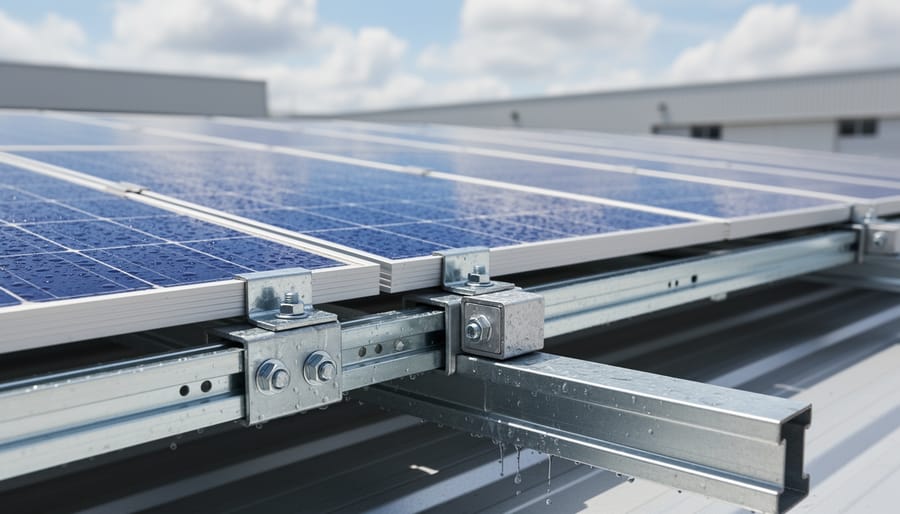
A zinc corrosion inhibitor is a protective material that uses zinc’s unique electrochemical properties to prevent or significantly slow the deterioration of metal components exposed to moisture, oxygen, and environmental contaminants. Rather than simply forming a physical barrier, these inhibitors work through a sacrificial process where zinc corrodes in place of the underlying metal, effectively extending the service life of critical structural and electrical components in solar PV installations.
The protective action relies on zinc’s position in the galvanic series of metals. When zinc contacts a more noble metal like steel or aluminum in the presence of an electrolyte (such as rainwater or condensation), it becomes the anode in an electrochemical cell and corrodes preferentially. This sacrificial behavior means the zinc degrades slowly over time while the protected metal beneath remains intact. The process is fundamentally different from paint or sealants, which only block exposure, zinc actively participates in the corrosion reaction, redirecting it away from vulnerable components.
- Galvanic Corrosion
- Accelerated deterioration that occurs when two dissimilar metals contact each other in the presence of an electrolyte, with the more reactive metal corroding faster. In solar installations, this can happen where aluminum frames meet steel fasteners.
- Sacrificial Anode
- A more reactive metal that corrodes preferentially to protect a less reactive metal it’s connected to. Zinc serves this role when applied to steel mounting structures.
- Cathodic Protection
- An electrochemical technique that makes the protected metal the cathode of an electrochemical cell, preventing it from losing electrons and corroding. Zinc coatings provide this protection to base metals.
- Passivation Layer
- A thin, stable oxide or hydroxide film that forms on a metal surface, creating a barrier that slows further corrosion. Zinc develops protective zinc oxide and zinc hydroxide layers when exposed to air and moisture.
Beyond sacrificial protection, zinc forms stable corrosion products, primarily zinc oxide and zinc hydroxide, that create a secondary barrier effect. These compounds are less soluble than the corrosion products of many other metals, so they remain on the surface and provide additional shielding against environmental exposure. This dual mechanism makes zinc particularly effective in the demanding outdoor conditions solar arrays face throughout their operational lifetime.
How Zinc Corrosion Inhibitors Work
Sacrificial Protection Mechanism
Zinc’s sacrificial protection works through a simple but powerful electrochemical principle: when zinc contacts a more noble metal like steel or aluminum in the presence of moisture, the zinc corrodes first, sparing the underlying material. This happens because zinc sits lower on the galvanic series, a ranking of metals by their tendency to lose electrons. When two dissimilar metals connect in a corrosive environment, the less noble metal (zinc) becomes the anode and corrodes preferentially, while the more noble metal (steel mounting rails, aluminum frames) acts as the cathode and remains protected.
In solar PV installations, this sacrificial action proves invaluable. A galvanized steel mounting structure exposed to rain, condensation, or coastal salt spray will see the zinc coating gradually oxidize. But as long as that zinc layer remains, the steel beneath stays intact. Even if the coating gets scratched or damaged, the zinc continues protecting nearby exposed steel through galvanic action, effectively healing small defects. The zinc doesn’t just sit passively, it actively gives itself up, atom by atom, to preserve the structural integrity of components engineered to support panels for 25 years or more.
Barrier and Passivation Effects
When zinc corrodes, it doesn’t simply disappear. Instead, it forms dense, adherent layers of zinc oxide, zinc hydroxide, and zinc carbonate on the metal surface. These corrosion products create a passive barrier that physically blocks moisture, oxygen, and atmospheric pollutants from reaching the underlying substrate.
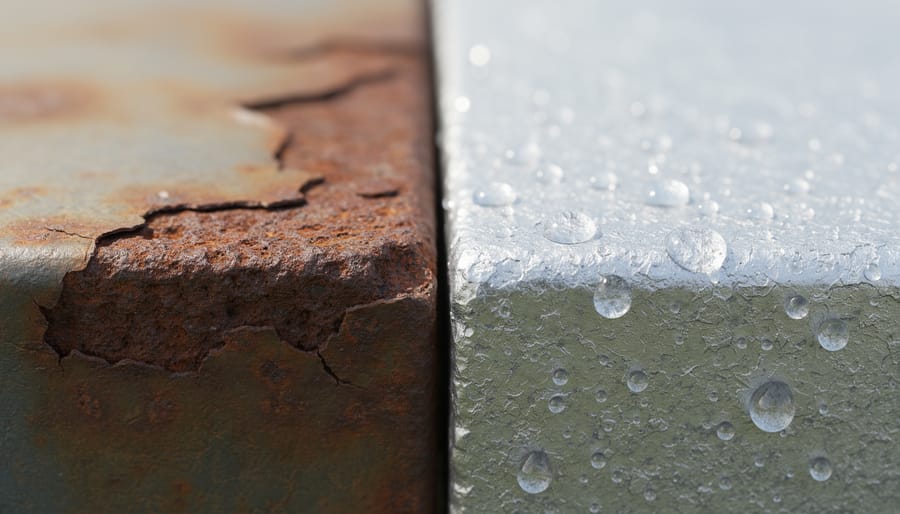
Unlike rust on unprotected steel, which flakes off and exposes fresh metal to further attack, zinc’s corrosion products bond tightly to the surface. This passivation layer is self-healing to a degree: if scratched or damaged, exposed zinc quickly reacts with moisture and carbon dioxide in the air to regenerate protective compounds.
The barrier effect is particularly valuable in solar installations exposed to rain, humidity, and airborne contaminants. Zinc oxide layers are relatively inert and resistant to further chemical attack, maintaining their protective function for decades. In marine and industrial environments where chlorides and sulfur compounds accelerate corrosion, these passive films significantly slow degradation rates.
The combination of sacrificial action and barrier formation gives zinc-based protection a dual defense mechanism. Even as the zinc slowly corrodes, it continues to shield steel and aluminum components from the aggressive conditions typical of outdoor photovoltaic arrays.
Types of Zinc-Based Corrosion Protection
Hot-Dip Galvanizing
Hot-dip galvanizing creates a thick, metallurgically bonded zinc layer on steel components by immersing them in molten zinc at approximately 450°C. This process coats every surface, inside corners, threads, and hollow sections, with multiple protective layers that can exceed 85 microns in thickness.
For solar mounting structures and racking systems, hot-dip galvanizing provides robust protection that typically lasts 25 to 50 years in most environments without maintenance. The zinc coating protects even if the surface gets scratched or cut during installation because the surrounding zinc continues to offer sacrificial protection to exposed steel edges.
Steel rails, posts, purlins, and torque tubes in ground-mount and commercial rooftop arrays almost universally receive hot-dip galvanizing as standard specification. The process adds minimal weight while delivering exceptional corrosion resistance per dollar spent, making it the default choice for structural steel in solar installations. Quality galvanizing shows a uniform gray matte finish with characteristic spangling patterns across the surface.
Zinc-Rich Coatings and Paints
Zinc-rich coatings and paints deliver 60-95% zinc content by weight in a liquid carrier that can be applied on-site using conventional spray equipment or brushes. Unlike factory galvanizing, these formulations enable field repairs of damaged sections, touch-ups where welds have removed protective layers, and protection of components too large or complex for hot-dip processing. They cure to form a metallurgically bonded zinc layer that provides both barrier protection and galvanic action.
In solar installations, spray-applied zinc coatings prove particularly valuable for remedial work on mounting structures after drilling or cutting operations expose bare steel, and for protecting custom-fabricated brackets or non-standard hardware. Inorganic zinc-rich primers containing metallic zinc particles suspended in silicate or epoxy binders offer superior performance in harsh environments, though they require surface preparation to ISO 8501 standards, typically Sa 2½ blast cleaning, for proper adhesion and function. Organic zinc-rich paints accept less aggressive surface prep but sacrifice some longevity, making them suitable for secondary structures or periodic maintenance applications rather than primary structural protection.
Zinc Anodes and Cathodic Protection Systems
Zinc anodes provide active cathodic protection for solar grounding systems and metallic foundations in ground-mounted arrays. Unlike passive coatings, these deliberately corrode to generate an electrical current that flows through the soil to protected metal structures, making those structures cathodic (protected) rather than anodic (corroding).
In solar installations, zinc anodes are commonly buried near grounding electrodes, rebar cages in concrete foundations, or along earthing grids that interconnect array sections. The anodes gradually dissolve, typically lasting 10-20 years depending on soil resistivity and moisture levels. This approach proves particularly valuable in corrosive soil conditions, high salinity, low pH, or waterlogged ground, where passive protection alone may fail. Engineers specify anode size, spacing, and replacement intervals based on soil testing and the total surface area requiring protection.
Zinc Alloy Hardware
Zinc alloy hardware encompasses bolts, fasteners, and connectors manufactured from zinc-aluminum alloys or zinc-electroplated steel. Common alloy formulations include Zamak and ZA alloys, which combine zinc with aluminum and smaller amounts of magnesium and copper to enhance strength and corrosion resistance. These materials work well for junction box connections, module frame attachments, and cable management hardware where direct galvanic contact with aluminum or steel components occurs. Zinc-plated fasteners provide a cost-effective alternative to stainless steel in less aggressive environments, though their protective layer is thinner than hot-dip galvanizing. The plating thickness, measured in microns, directly affects service life, with heavier coatings offering better protection in coastal or industrial settings where salt spray and airborne contaminants accelerate degradation.
Applications in Solar PV Installations
Mounting Structures and Racking Systems
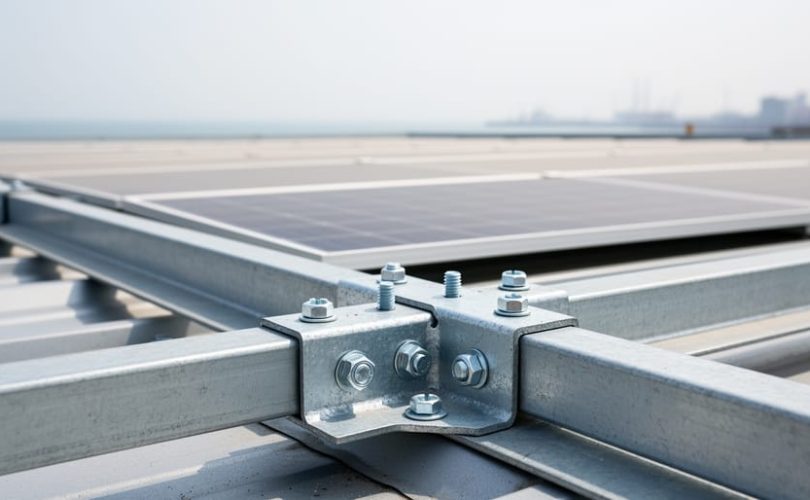
Mounting structures bear the full weight of solar modules while enduring decades of wind, rain, temperature swings, and ultraviolet exposure. Steel racking components, which provide superior strength-to-weight ratios for large commercial and utility-scale installations, rely heavily on hot-dip galvanizing to prevent rust that would compromise structural integrity. The zinc coating, typically applied at 85 microns or thicker, forms a metallurgical bond with the base steel that resists chipping during installation and provides sacrificial protection where fasteners penetrate the surface.
Aluminum frames and rails, while naturally corrosion-resistant through their oxide layer, still benefit from zinc treatments at dissimilar metal junctions. Where aluminum mounting brackets contact galvanized steel posts, the zinc layer moderates galvanic corrosion by acting as an intermediate metal. Without this protection, accelerated pitting occurs at contact points, a particular concern in coastal installations where salt spray intensifies electrochemical activity.
Ground-mounted arrays face additional challenges from soil moisture and buried anchor points. Galvanized foundation posts extending below grade require thicker zinc coatings (minimum 100 microns) or supplementary cathodic protection to maintain 25-year design lives in high-water-table conditions.
Electrical and Grounding Components
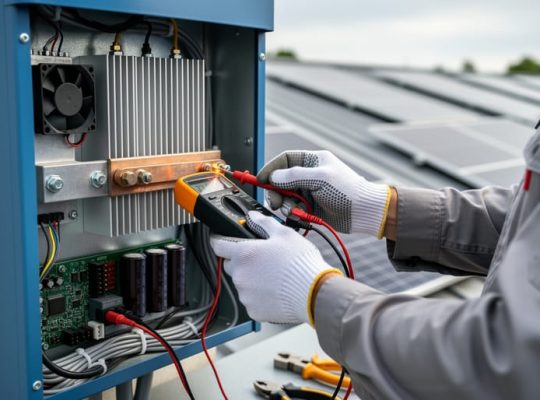
Electrical components in solar PV systems face particularly severe corrosion risks because moisture intrusion combined with electrical current creates accelerated electrochemical degradation. Zinc-coated grounding rods form the foundation of system safety, with hot-dip galvanized steel providing decades of reliable earth contact even in corrosive soils. Bonding jumpers and grounding lugs typically feature zinc plating to prevent galvanic corrosion where dissimilar metals meet, a critical junction since poor electrical continuity from corroded connections creates both safety hazards and performance losses.
Electrical enclosures and combiner boxes benefit from zinc-rich primer coatings beneath their painted finishes, protecting against coastal salt spray and industrial pollutants that penetrate through scratches or seams. Connection hardware inside these enclosures, terminal blocks, bus bars, and wire lugs, often uses zinc-plated copper or aluminum to maintain low-resistance contacts throughout the system’s lifespan. Preventing junction box corrosion requires similar attention, as moisture infiltration combined with dissimilar metal contacts can rapidly degrade connections and create hot spots that compromise module performance.
Fasteners and Hardware
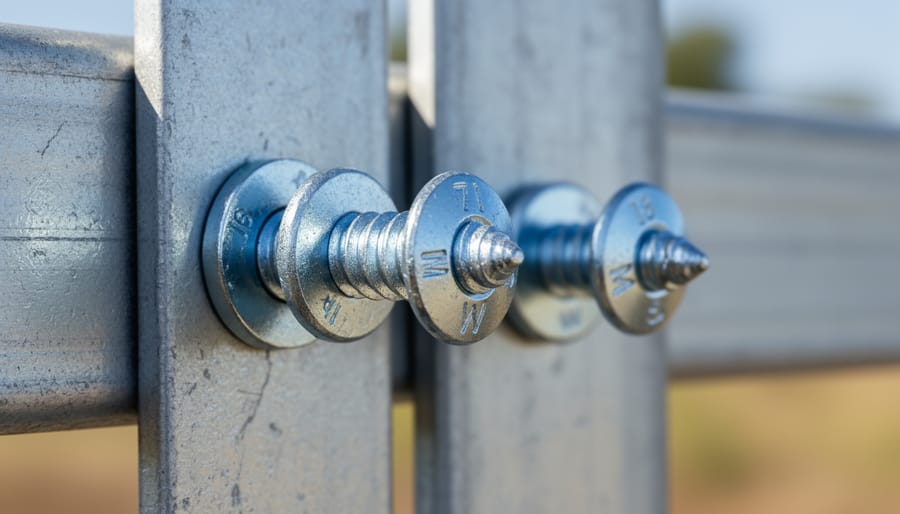
Fasteners represent one of the most vulnerable points in a solar installation’s corrosion defense strategy. Bolts, nuts, clamps, and anchors must maintain mechanical integrity and electrical continuity for 25-30 years while enduring continuous thermal cycling, vibration from wind loads, and moisture exposure. A single corroded fastener can compromise panel alignment, create electrical resistance at bonding points, or allow movement that damages adjacent components.
Zinc-coated hardware, typically hot-dip galvanized or mechanically plated, provides reliable protection at relatively low cost. The zinc sacrificial layer accommodates the repeated expansion and contraction that solar arrays experience during daily temperature swings without cracking like paint-based coatings. For coastal or industrial environments, installers often specify fasteners with thicker zinc coatings (measured in microns) or upgrade to zinc-aluminum alloy plating for extended service life. Field inspections should verify that fasteners show consistent coating coverage, particularly on threads and under heads where galvanic contact with dissimilar metals can accelerate localized corrosion.
Performance Factors and Environmental Considerations
Zinc corrosion inhibitor performance varies dramatically by deployment environment, and understanding these differences is critical for specifying protection systems that will last the expected 25-plus-year service life of a solar installation. Coastal sites present the harshest test: salt-laden air accelerates zinc consumption through chloride-induced pitting and increased electrochemical activity. A hot-dip galvanized mounting structure that might endure 40 years inland could show significant degradation in 15 to 20 years just 500 meters from the ocean. Industrial environments introduce sulfur dioxide and airborne particulates that similarly shorten protective life, while high-humidity regions sustain continuous moisture exposure that keeps corrosion reactions active.
Temperature cycling matters too. Repeated expansion and contraction in desert climates can crack zinc oxide layers, exposing fresh metal. Conversely, persistent dampness in tropical zones prevents protective patinas from fully stabilizing. Coating thickness becomes the primary design variable: coastal installations typically require 85-micron minimum zinc layers versus 55 microns for moderate inland sites. The ISO 9223 corrosivity classification system helps match protection levels to site conditions, categorizing environments from C1 (minimal corrosion) through CX (extreme).
Regular inspection protocols form part of any robust corrosion management plan. Visual surveys every six months in aggressive environments catch early zinc depletion, look for white zinc corrosion products or exposed substrate showing rust staining. Understanding why solar corroding occurs helps operators recognize warning signs before failures develop. Comprehensive PV maintenance tips include documenting corrosion progression through photography and thickness gauging.
Maintenance requirements scale with environmental severity. Inland installations may need only periodic visual checks, while coastal arrays benefit from annual touch-up applications of zinc-rich paint at connection points and fastener heads where mechanical wear removes original protection. Proper initial specification eliminates most intervention: selecting appropriate coating thickness and zinc alloy composition for the specific corrosivity category delivers passive protection throughout the system’s economic life.
Integration with Comprehensive Corrosion Management
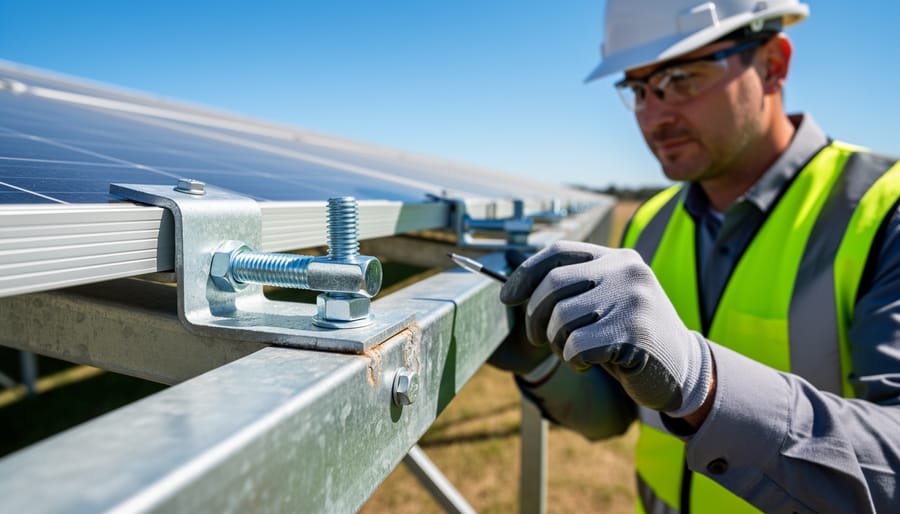
Zinc corrosion inhibitors deliver maximum value when deployed as part of a holistic corrosion management strategy rather than as standalone protection. The most effective solar PV installations combine galvanized structures with complementary measures: proper drainage design to prevent water accumulation around mounting hardware, dielectric isolation between dissimilar metals to avoid accelerated galvanic corrosion, and strategic use of sealants at vulnerable joints and penetrations. Material selection should consider the complete electrochemical environment, matching zinc coating thickness and type to specific exposure conditions while ensuring compatibility across all system components.
Regular inspection protocols form the backbone of long-term corrosion management. A comprehensive inspection checklist should include visual assessment of zinc coating condition, measurement of coating thickness at representative locations, and documentation of any white rust (zinc oxide formation) or red rust (substrate corrosion breakthrough). Ground-mounted systems in harsh environments typically warrant annual inspections, while rooftop installations in moderate climates may require assessment every two to three years.
How often should zinc coatings be inspected in solar installations?
Inspection frequency depends on environmental severity, ranging from annual checks in coastal or industrial settings to every 2-3 years in moderate climates. High-value commercial installations benefit from more frequent assessment regardless of location.
Can zinc protection be reapplied to existing solar structures?
Yes, zinc-rich coatings can be field-applied to repair damaged areas or supplement existing protection. Surface preparation is critical, remove corrosion products and ensure clean, dry substrate before application.
What galvanizing thickness is recommended for solar mounting systems?
Hot-dip galvanizing of 85 microns (3.3 mils) minimum is standard for most applications, with 100-120 microns preferred for coastal or severe industrial environments where extended service life is essential.
How does zinc compare to stainless steel for solar hardware?
Galvanized steel offers excellent corrosion resistance at lower cost than stainless steel for most applications. Stainless steel excels in extreme corrosion environments or where electrical conductivity requirements preclude zinc coatings.
Design considerations should address the entire system lifecycle. Specify accessible mounting configurations that permit inspection and maintenance without panel removal. Educational programs through university collaborations provide PV professionals with the materials science knowledge to develop site-specific corrosion management plans that balance protection performance, maintenance requirements, and total lifecycle costs.
Zinc corrosion inhibitors represent a fundamental line of defense in protecting the substantial investment solar PV installations represent, systems designed to operate reliably for 25 years or longer in demanding outdoor environments. From hot-dip galvanized mounting structures to zinc-rich coatings on electrical enclosures, these protection methods leverage zinc’s sacrificial electrochemical properties to prevent the premature degradation that can compromise both structural integrity and electrical performance.
Effective corrosion management isn’t an afterthought but a critical component of system design from the outset. Selecting appropriate zinc-based protection for each application, whether galvanized steel racking for coastal installations or zinc-plated hardware for electrical connections, directly impacts long-term performance metrics and maintenance costs. The initial material specification decisions made during project planning continue to influence system reliability decades into operation.
For photovoltaic professionals responsible for designing, installing, or maintaining solar arrays, a thorough understanding of corrosion mechanisms and protection strategies translates to better project outcomes and reduced lifecycle costs. Environmental conditions, material compatibility, and proper application techniques all factor into developing comprehensive protection plans that extend well beyond simple component selection.
Mose Solar offers specialized educational programs in collaboration with leading universities, equipping aspiring PV professionals with the technical knowledge needed to make informed materials decisions and implement effective corrosion management strategies. These programs cover the science behind protection methods, real-world application scenarios, and emerging technologies shaping the future of solar system durability.