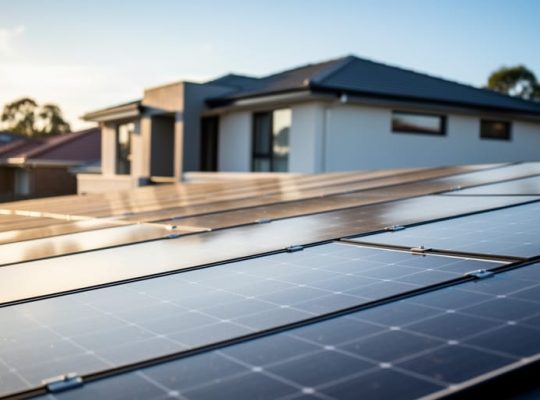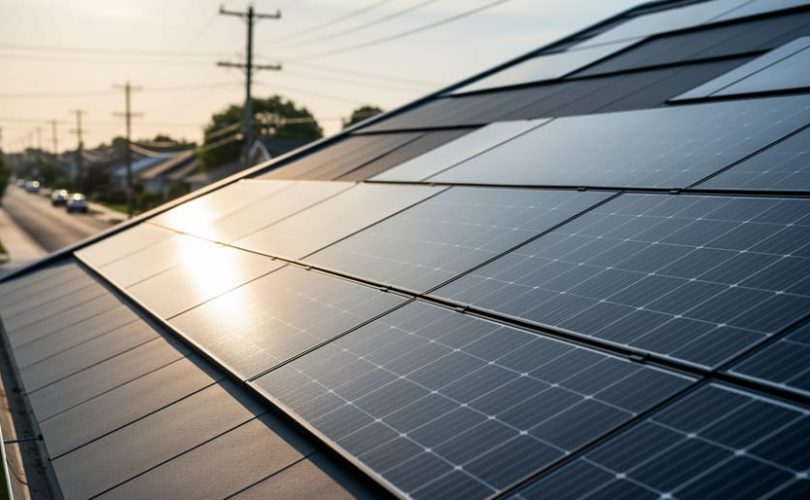
Integrated solar roofing systems are photovoltaic installations where solar cells are embedded directly into roofing materials during manufacturing, replacing conventional shingles, tiles, or metal panels rather than being mounted on top of an existing roof. Unlike traditional rack-mounted solar arrays that sit above standard roofing, these systems serve a dual purpose as both the primary weather barrier and the energy generation layer, eliminating the need for separate roofing and solar components.
This architectural integration matters now more than ever as smart grid infrastructure expands and building codes increasingly favor energy-positive design. For aspiring PV professionals and architects working in 2026, understanding how these systems function within modern electrical networks is essential, not optional. The technology has matured beyond early prototypes into code-compliant, warrantied products that connect seamlessly to grid-tied inverter systems and battery storage networks.
The practical implications extend across residential new construction, commercial retrofits, and large-scale development projects where aesthetic continuity and structural efficiency drive specification decisions. These systems communicate with utility providers through advanced metering infrastructure, participate in demand response programs, and support microgrid applications in ways that conventional bolt-on arrays often cannot match.
This article explains what integrated solar roofing systems are at a technical level, details how they operate within smart grid environments, breaks down the major product categories currently available, and identifies where they deliver the strongest performance advantages. Through collaboration with university research programs and insights from installation professionals, we provide the foundational knowledge needed to evaluate, specify, and deploy these systems effectively in real-world applications.
What Integrated Solar Roofing Means
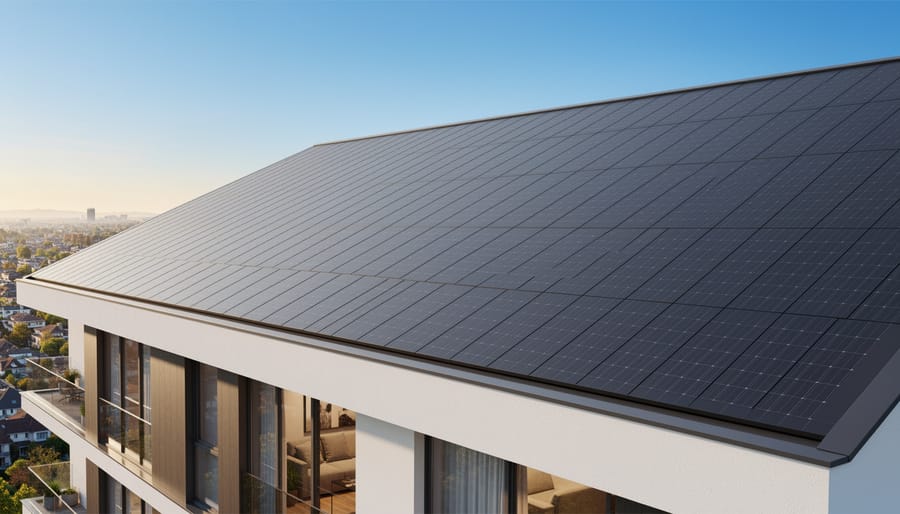
Integrated solar roofing systems represent a fundamental shift from conventional solar installations. Rather than mounting panels on racks above an existing roof, these systems merge photovoltaic technology directly into the roofing material itself, creating a unified building component that simultaneously protects the structure and generates electricity.
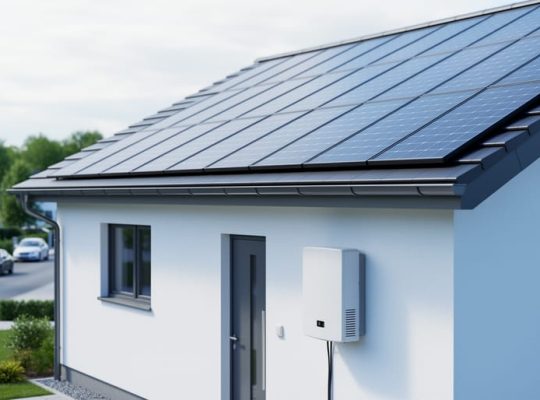
This approach falls under the broader category of building-integrated photovoltaics (BIPV), where solar energy capture becomes an inherent architectural feature rather than an add-on. The roofing elements contain embedded photovoltaic cells that perform the complete weatherproofing function of traditional shingles or tiles while converting sunlight to usable power. From street level, integrated solar roofs often appear as conventional dark-colored roofing, maintaining neighborhood aesthetics while producing energy.
- Building-Integrated Photovoltaics (BIPV)
- Solar energy systems that replace conventional building materials, serving as both structural components and power generators. Unlike rack-mounted panels, BIPV elements are integral to the building envelope itself.
- Solar Tiles
- Individual rigid photovoltaic units designed to interlock like traditional clay or concrete roof tiles, with integrated cells beneath a protective glass surface. Each tile functions independently while contributing to the overall system output.
- Solar Shingles
- Thin, flexible photovoltaic modules that overlap in the same manner as conventional asphalt shingles during installation. They typically measure smaller than tiles and use standard roofing attachment methods.
- Building Envelope Integration
- The incorporation of photovoltaic technology into the protective outer shell of a building, replacing rather than supplementing traditional materials. This integration affects structural design, waterproofing strategy, and electrical system planning.
The dual-purpose nature of integrated systems creates distinct advantages. A single installation addresses two critical building needs: weather protection and energy production. This eliminates redundant materials, reduces installation complexity compared to separate roofing and solar projects, and streamlines permitting processes. The electrical output connects to the building’s power system and potentially to smart grid infrastructure, enabling bidirectional energy flow.
For aspiring PV professionals, understanding this integrated approach requires knowledge that spans roofing trades, electrical systems, and photovoltaic technology. The systems demand careful consideration of structural load, waterproofing continuity, electrical code compliance, and aesthetic coordination, making proper training essential for successful deployment.
How Integrated Solar Roofing Systems Work
The Photovoltaic Conversion Process
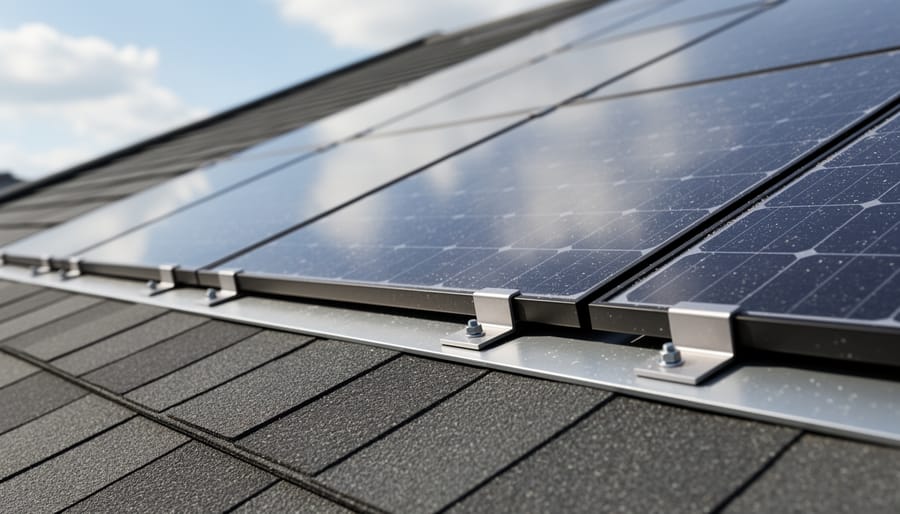
Solar tiles and shingles function through the photovoltaic effect, where semiconductor materials generate electrical current when exposed to photons from sunlight. Each roofing unit contains photovoltaic cells, typically monocrystalline silicon, that absorb light energy and release electrons, creating direct current (DC) electricity.
Most integrated roofing products use monocrystalline PERC (Passivated Emitter and Rear Cell) technology. PERC cells incorporate a reflective layer on the back surface that bounces unabsorbed light back through the silicon, increasing electron generation. This design delivers efficiency ratings between 19% and 22%, crucial for roofing applications where surface area is limited compared to ground-mounted arrays.
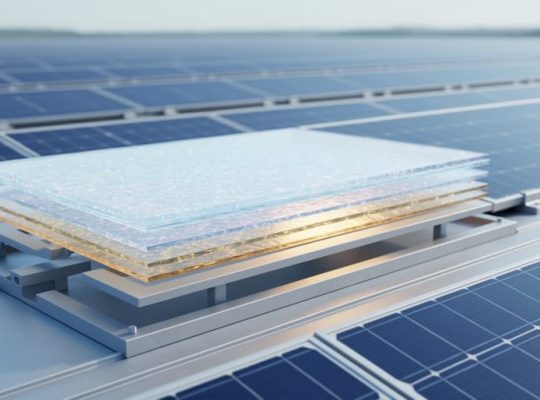
The cells are encapsulated within tempered glass or composite materials that protect against weather while maintaining light transmission. Multiple cells connect in series within each tile or shingle, generating voltage that accumulates across the roof section. Weather-resistant junction boxes on each unit collect this output, routing it through weatherproof conduits to the inverter system.
Cell temperature affects performance: roofing-integrated cells typically operate hotter than rack-mounted panels due to reduced airflow, resulting in a temperature coefficient of around negative 0.35% per degree Celsius above 25°C.
Electrical Integration and Smart Grid Connection
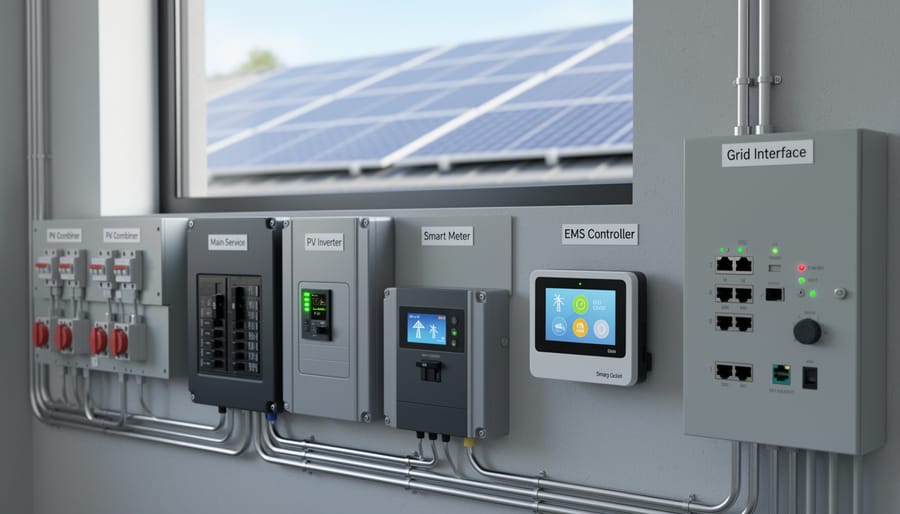
Once solar cells in the roofing material generate DC electricity, smart inverters convert it to AC power compatible with household circuits and the utility grid. This conversion happens at the roof level or in a centralized inverter, depending on system architecture.
The AC output feeds the building’s electrical panel first. When production exceeds on-site demand, surplus electricity flows back to the grid, a process enabling these systems to power both home and grid simultaneously. Bi-directional meters track both consumption and export, crediting homeowners through net metering programs where available.
Smart grid connectivity relies on communication protocols embedded in modern inverters. IEEE 2030.5 and SunSpec Modbus standards allow real-time data exchange between the roofing system and utility operators. Inverters respond to grid signals, adjusting output during peak demand or curtailing production when the grid reaches capacity limits.
This two-way communication transforms grid-connected PV roofing from passive generation into active grid assets. Utilities can request voltage support, frequency regulation, or temporary ramp-down, services that increase system value beyond simple kilowatt-hour production. For aspiring PV professionals, understanding these protocols matters as much as wiring fundamentals, since grid codes increasingly mandate smart inverter capabilities in new installations.
Monitoring and Control Systems
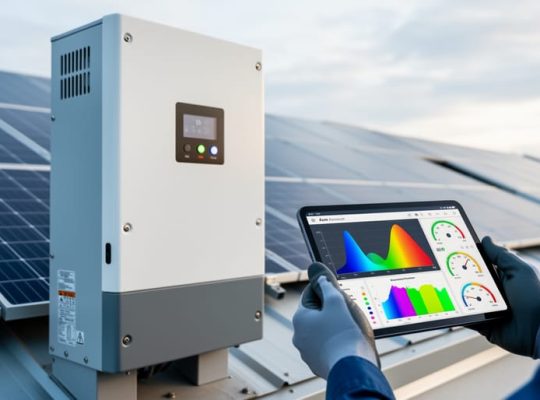
Smart inverters form the brain of an integrated solar roofing system, converting DC power while enabling two-way communication with the grid. Modern utility interactive inverters don’t just push electricity; they respond to grid conditions, adjust voltage and frequency, and execute commands from utility operators during peak demand or stability events.
Monitoring platforms connect to these inverters via Wi-Fi or cellular networks, giving installers and homeowners real-time visibility into energy production, consumption patterns, and system health. You can track individual panel performance, identify shading issues, and receive alerts for faults or underperformance through smartphone apps or web dashboards. IoT sensors embedded in the roofing system measure temperature, irradiance, and structural conditions, feeding data to predictive maintenance algorithms that flag potential problems before they escalate into costly failures or safety hazards.
Main Types and Component Technologies
Solar Tiles
Solar tiles represent the premium category of integrated solar roofing, engineered as individual photovoltaic modules designed to mimic traditional ceramic or slate roofing profiles. Each tile typically measures 12-15 inches square and incorporates monocrystalline or PERC solar cells laminated between tempered glass and weatherproof backing materials, achieving conversion efficiencies between 15-20%.
Installation requires modified mounting rails or interlocking systems that integrate with standard roof battens while maintaining proper ventilation beneath the tiles. This approach demands precise alignment to ensure both weatherproofing and electrical connectivity, with junction boxes positioned at strategic intervals for circuit management. The mechanical attachment methods differ from conventional roofing, requiring installers to understand both structural load distribution and electrical pathway planning.
From an aesthetic standpoint, solar tiles offer superior visual integration compared to traditional panels. High-end products feature low-profile designs with minimal visible hardware, available in slate gray, terracotta, and black finishes that blend with architectural styles. The individual tile format allows for custom layouts around roof features like skylights and vents.
Performance metrics show solar tiles generating 60-100 watts per square meter under standard test conditions, with power density varying based on active cell area versus the full tile footprint.
Solar Shingles
Solar shingles take a fundamentally different approach to integrated photovoltaics by mimicking the form factor and installation method of conventional asphalt shingles. Each shingle unit measures roughly 12 by 86 inches and weighs about 13 pounds per square foot, comparable to traditional roofing materials, which allows them to integrate seamlessly into existing building practices without requiring specialized structural modifications.
The defining characteristic is the overlap installation technique. Shingles mount in successive rows with each course overlapping the previous one by several inches, creating a weather-sealed envelope identical to standard roofing procedures. This familiar methodology means experienced roofers can adapt to solar shingle installation more quickly than learning tile-specific mounting systems, though electrical connection training remains essential.
From a performance standpoint, solar shingles typically achieve efficiency ratings between 14 and 18 percent, slightly lower than premium monocrystalline panels but sufficient for most residential applications. The power output per shingle ranges from 13 to 63 watts depending on the product line and cell technology employed. Their modular nature provides installation flexibility: contractors can mix photovoltaic shingles with standard roofing shingles to accommodate dormers, vents, and irregular roof geometries while maintaining architectural uniformity across the entire surface.
Monocrystalline and PERC Technologies in Roofing
The performance of integrated solar roofing depends fundamentally on the photovoltaic cell technology embedded within the roofing material. Most premium integrated solar products today use monocrystalline silicon cells, recognizable by their uniform dark appearance and superior efficiency compared to older polycrystalline alternatives.
Monocrystalline cells deliver higher power output per square foot, a critical advantage for roofing applications where every square inch counts. Unlike ground-mounted arrays that can expand across open land, roofs impose fixed spatial constraints. A typical monocrystalline cell achieves 20-22% efficiency in standard modules, but integrated roofing products must balance efficiency with the structural and aesthetic requirements of roofing materials.
PERC (Passivated Emitter and Rear Cell) technology represents a significant advancement over conventional monocrystalline cells. PERC adds a dielectric passivation layer to the rear of the cell, which reflects unabsorbed light back through the silicon for a second chance at conversion. This modification boosts cell efficiency by 1-2 percentage points without requiring exotic materials, meaningful gains when roof area is limited.
For integrated roofing systems, PERC’s low-light performance matters particularly. Roofs experience variable shading from chimneys, vents, skylights, and neighboring structures throughout the day. PERC cells maintain better output in these suboptimal conditions compared to standard cells, improving real-world energy production beyond what laboratory efficiency ratings suggest. The technology also exhibits better temperature coefficients, losing less performance during hot summer months when dark roofing materials naturally run hotter than rack-mounted panels with air circulation underneath.
Applications and Use Cases in Smart Grid Environments
Residential Smart Home Integration
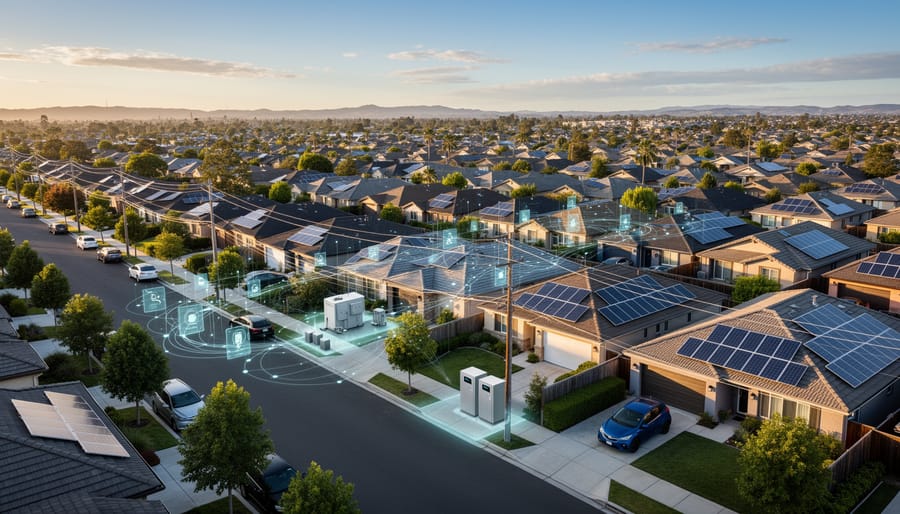
Integrated solar roofing systems transform residential properties into intelligent energy hubs that actively communicate with utility infrastructure. Modern smart homes leverage these systems alongside whole-home energy management platforms that monitor consumption patterns room by room, automatically shifting high-demand appliances to peak solar production hours. A homeowner might program their system to charge an electric vehicle at midday when the roof generates maximum power, then draw stored battery energy during evening peak-rate periods.
Battery storage units paired with integrated roofing enable true energy independence. During grid outages, the system seamlessly switches to island mode, maintaining power to critical circuits while the neighbourhood goes dark. This configuration supports grid resilience by reducing strain during demand spikes and providing ancillary services through smart grid integration protocols.
Smart inverters facilitate two-way communication with utilities, automatically adjusting export rates based on real-time grid conditions. When the utility signals excess renewable generation on the network, the home system diverts surplus power to charge batteries or run discretionary loads rather than overwhelming distribution transformers. This dynamic interaction creates a responsive, distributed energy resource that benefits both homeowner economics and grid stability.
Commercial and Institutional Buildings
Commercial and institutional buildings represent an expanding market for integrated solar roofing systems, driven by corporate sustainability commitments and municipal renewable energy mandates. Educational campuses, government facilities, and commercial office complexes frequently face stricter architectural guidelines than residential properties, making the seamless appearance of solar tiles and shingles particularly valuable. A university library retrofit with solar shingles, for example, can generate 40-60 kW while preserving the building’s historical facade character.
These larger installations benefit from economies of scale in procurement and reduced labor costs per square meter compared to residential projects. However, they demand rigorous structural engineering assessments, since commercial roofs often support HVAC equipment and must accommodate higher wind loads. Building codes for commercial structures typically require fire-rated roofing assemblies and specific setback requirements for electrical equipment, considerations that influence system design from the outset.
Smart grid integration proves especially advantageous at this scale. A 200 kW integrated solar roof on a corporate headquarters can participate in commercial demand response programs, shifting building loads during peak pricing periods while maintaining operations through battery backup systems coordinated with the grid.
Net-Zero and Grid-Interactive Buildings
Integrated solar roofing systems represent a critical pathway for buildings pursuing net-zero energy certification, where annual energy consumption equals on-site generation. Unlike traditional solar installations, these roofing solutions maximize generation potential within architectural constraints while enabling sophisticated grid interaction. Buildings equipped with integrated solar roofs can actively participate in demand response programs, automatically modulating their grid draw during peak periods by prioritizing stored solar energy or shifting non-essential loads. Smart inverters facilitate this bidirectional relationship, allowing excess generation to flow back to the grid when building demand is low and drawing supplemental power during high-use periods. This dynamic participation helps utilities balance load across the network while reducing the building’s net energy footprint. When paired with battery storage and building management systems, integrated solar roofing transforms structures into active grid assets rather than passive consumers, supporting grid stability while achieving energy independence targets.
Smart Grid Integration Benefits and Challenges
Integrated solar roofing systems deliver significant advantages when paired with smart grid infrastructure, fundamentally changing how buildings interact with the electrical network. By distributing generation across thousands of rooftops rather than concentrating it in remote utility-scale facilities, these systems reduce transmission losses, energy that would otherwise dissipate over long-distance power lines. During peak demand periods, typically mid-afternoon in many regions, solar roofs generate maximum output precisely when grid strain is highest, effectively shaving peak load and reducing the need for expensive peaker plants. This distributed generation model also enhances grid resilience: if a transmission line fails, neighborhoods with integrated solar roofing can maintain partial power availability, particularly when paired with battery storage systems.
Smart inverters in modern integrated roofing products enable bi-directional communication with grid operators, allowing real-time adjustments to voltage levels and frequency. When the grid experiences oversupply from renewable sources, these systems can curtail output or divert excess energy to storage; conversely, during high-demand periods, they can export maximum power. This dynamic responsiveness supports grid stability in ways that traditional passive roofing never could. Buildings equipped with integrated solar roofs become active participants in demand response programs, earning credits or payments for adjusting consumption patterns based on grid signals.
However, PV professionals face substantial technical challenges when deploying these systems. Solar generation’s inherent intermittency, caused by cloud cover, seasonal variation, and nighttime hours, requires sophisticated forecasting tools and energy storage to maintain consistent power delivery. Interconnection standards vary widely across utility territories, with some regions requiring extensive engineering studies and grid impact assessments that can delay projects by months. Communication protocols between solar inverters and utility control systems lack universal standardization; one utility might use IEEE 2030.5, another SunSpec Modbus, creating integration complexity that installers must understand.
Regulatory frameworks often lag behind technology capabilities. Many jurisdictions still operate under net metering rules designed for simple grid-tied systems, not the sophisticated bi-directional energy management that integrated solar roofing enables. PV professionals need fluency in local utility requirements, building codes that address both structural and electrical aspects of roofing-integrated systems, and cybersecurity protocols that protect grid-connected devices from potential vulnerabilities. As these systems proliferate, staying current with technical standards and regulatory changes becomes essential for successful deployment.
Installation and Professional Considerations
Installing integrated solar roofing systems demands a broader skill set than conventional rack-mounted PV installations. These systems sit at the intersection of roofing, electrical work, and structural engineering, requiring professionals who understand both the building envelope and photovoltaic technology. Aspiring installers must recognize that mistakes in this domain can compromise both roof integrity and system performance, making proper training and certification essential.
Professional competencies for integrated solar roofing installers include:
- Roofing expertise covering waterproofing, flashing details, and weather barrier integration
- Electrical knowledge for DC/AC wiring, smart inverter installation, and grid interconnection protocols
- Structural engineering basics to assess roof load capacity and framing adequacy for solar materials
- Local code familiarity including building, electrical, and fire safety requirements specific to your jurisdiction
- Smart inverter programming and configuration for grid-interactive functionality and monitoring systems
Building code compliance presents particular challenges because integrated systems must satisfy both roofing and electrical standards simultaneously. Many jurisdictions classify these installations as both structural alterations and electrical work, requiring permits from multiple agencies and inspections at different project stages. Fire codes often specify minimum setback distances from roof edges and required access pathways for emergency responders, constraints that affect system layout and generation capacity.
Structural assessment is critical before any installation begins. Unlike add-on panels that distribute weight across a racking system, integrated solar roofing materials replace conventional shingles or tiles, altering the roof’s dead load profile. Professionals must verify that the existing framing can support the new material weight and account for regional snow loads and wind uplift forces. This typically requires collaboration with a structural engineer, especially for older buildings or complex roof geometries.
Educational pathways for this specialization are expanding. Mose Solar partners with universities to develop curriculum that bridges traditional roofing trades with photovoltaic system design, offering aspiring professionals a structured path to competency. These programs combine classroom instruction on electrical theory and building science with hands-on training in installation techniques, code compliance, and troubleshooting. Certification from recognized bodies validates this training and signals to clients and employers that an installer meets industry standards for integrated solar roofing work.
Frequently Asked Questions
How efficient are integrated solar roofing systems compared to traditional rack-mounted panels?
Integrated solar tiles and shingles typically achieve efficiencies between 15-20%, which is slightly lower than premium traditional panels that can reach 22-23%. However, the efficiency gap narrows with mono PERC cell technology in roofing applications, and the difference is often offset by the larger usable roof area and elimination of mounting hardware.
What warranty coverage should I expect for integrated solar roofing?
Quality integrated solar roofing systems typically come with dual warranties: a 25-30 year power output warranty guaranteeing at least 80-85% of original efficiency, and a 20-25 year product warranty covering materials and weatherproofing. These warranties should cover both the photovoltaic function and the roofing performance, unlike traditional panels where roof and solar warranties are separate.
Will integrated solar roofing work with my utility’s existing smart grid infrastructure?
Most modern integrated solar roofing systems use smart inverters that comply with IEEE 1547 standards and communicate via established protocols, making them compatible with existing smart grid infrastructure. Your installer should verify specific utility requirements for net metering and grid-interactive features during the system design phase.
How long does installation take and what specialized training do installers need?
A typical residential integrated solar roofing installation takes 5-10 days, longer than traditional panels but faster than a conventional roof replacement followed by separate solar installation. Installers need both roofing expertise and electrical certification, ideally with specialized training in BIPV systems to ensure proper weatherproofing, electrical integration, and structural compliance.
Beyond these core questions, prospective buyers and professionals often ask about maintenance requirements. Integrated solar roofing systems demand less maintenance than traditional setups because there are no mounting racks to corrode, no gaps for debris accumulation, and no rack-to-roof attachment points that can leak over time. Standard maintenance involves visual inspections twice yearly, keeping the surface clear of leaves or snow buildup, and monitoring system output through your smart inverter’s app. The roofing components themselves typically require no more attention than premium conventional roofing materials.
Cost remains a frequent concern. While integrated solar roofing carries a higher upfront cost per watt than traditional panels, the economics shift when you account for avoided roofing replacement costs, eliminated mounting hardware, reduced installation labor for combined roof-solar projects, and the aesthetic premium that can enhance property value. For new construction or buildings needing roof replacement, the cost differential narrows considerably. Financing options, federal tax credits, and utility incentives further improve the investment picture, making integrated systems increasingly competitive for homeowners prioritizing design cohesion and long-term building performance.
Integrated solar roofing systems represent a fundamental shift in how buildings generate, consume, and share electrical energy within smart grid networks. By merging photovoltaic technology with structural building components, these systems eliminate the traditional separation between energy infrastructure and architecture, creating structures that actively participate in distributed generation and grid stabilization.
For aspiring photovoltaic professionals, this convergence creates substantial career opportunities. The market demands installers who understand both roofing practices and electrical integration, engineers who can design smart-grid-responsive systems, and consultants who navigate building codes alongside utility interconnection requirements. Mastering integrated solar roofing positions professionals at the intersection of construction, renewable energy, and smart grid technology, three rapidly evolving sectors.
The technical complexity of these installations underscores the critical importance of rigorous, specialized education. Mose Solar’s collaboration with universities ensures that training programs reflect current industry standards and emerging technologies. This academic partnership provides aspiring professionals with theoretical foundations in photovoltaic conversion, practical installation techniques for BIPV products, and the communication protocols that enable smart grid integration.
As smart grids become more sophisticated and building energy codes more stringent, integrated solar roofing will transition from premium option to standard practice. Professionals who develop expertise now, through structured education, hands-on training, and continuous learning, will lead this transformation, designing and installing the energy-generating building envelopes that define tomorrow’s built environment.