Showing 161 Result(s)
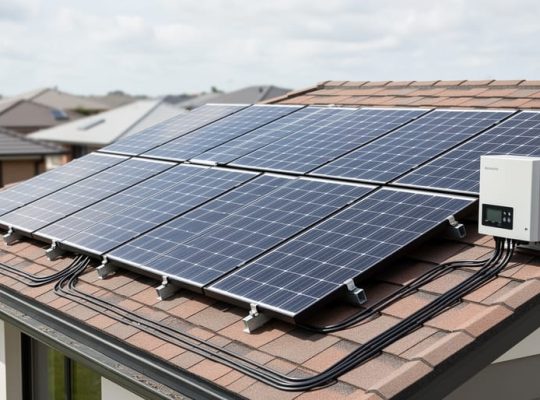
Residential rooftop solar array with eight panels and nearby inverter/charge controller equipment connected by conduit wiring.

What Is an 8 Solar Panels in Series Parallel Configuration (and How Does It Work)?

An 8 solar panel series-parallel configuration combines both wiring methods to balance voltage and current output, typically arranged as either two strings of four panels in series (2×4) or four strings of two panels in series (4×2). This hybrid approach addresses a fundamental challenge in photovoltaic system design: optimizing power delivery to inverters and charge controllers while maintaining system safety and efficiency.
Understanding series-parallel configurations is essential for anyone designing small to medium-scale solar installations. When you connect panels in series, voltages add together while current remains …
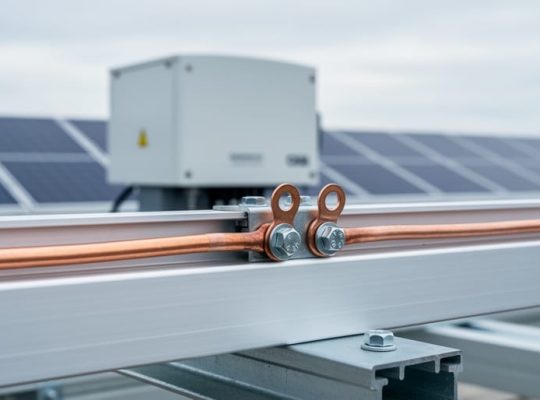
Close-up of a copper bonding conductor and bolted ring terminals connecting metal components on a photovoltaic mounting structure, shown beside solar modules.

Bonding Protection: The Essential Shield Against Equipment Damage and Safety Hazards in PV Systems

Bonding protection establishes low-impedance electrical connections between all metallic components in a photovoltaic system, ensuring they share the same electrical potential and preventing dangerous voltage differences during fault conditions or lightning strikes. This protective function works by creating deliberate pathways that allow fault currents to flow safely to ground, enabling overcurrent devices to trip quickly and reducing the risk of electric shock, equipment damage, and fire hazards.
While grounding provides a reference to earth potential, bonding interconnects conductive surfaces that people might touch or that could…

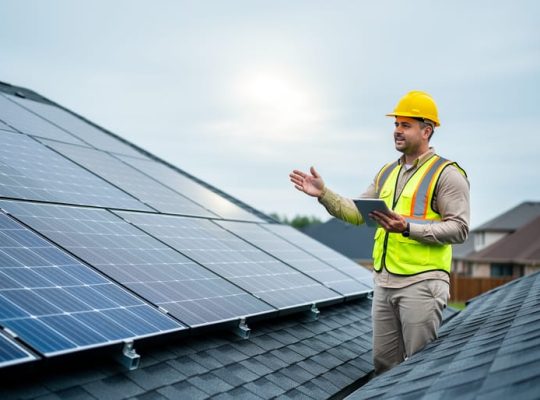
Technician on a residential roof reviewing solar panels with a tablet during a solar energy assessment.

What Is Solar Energy Assessment (and How Does It Work)?

A solar energy assessment is a systematic evaluation of a location’s solar potential and the technical, economic, and environmental feasibility of installing photovoltaic systems at that site. This process combines solar resource measurement, site-specific analysis, and energy yield modeling to determine whether solar power represents a viable investment and how best to design a system for optimal performance.
The assessment matters because installing …

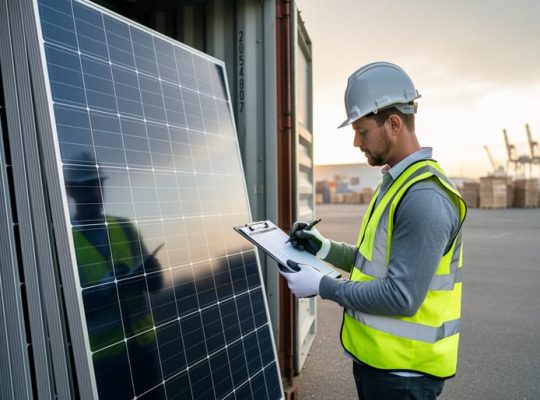
A logistics worker inspecting stacked solar panels beside a shipping container in a warehouse setting, representing procurement and cost-control in the solar supply chain.

PPV in Solar Supply Chain: What It Is, How to Calculate It, and Where to Get Help

Purchase Price Variance (PPV) is the difference between the actual cost of procured goods and their standard or expected cost, and in photovoltaic supply chains, it serves as a critical metric for controlling solar module procurement expenses and ensuring accurate customs valuation for import compliance. When your organization pays more or less than the budgeted rate for solar panels, the variance directly impacts project profitability and may trigger adjustments in cost accounting and duty calculations.
For solar project developers and procurement teams, PPV calculation becomes essential during three scenarios: annual contract …

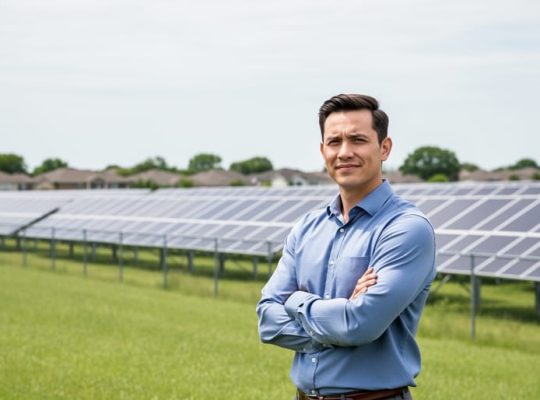
Person standing near a utility-scale community solar field with large solar panels and distant residential homes in the background.

Community Solar Subscription Fees: What They Cover, Eligibility, and How to Subscribe

A community solar subscription fee is a monthly charge, typically ranging from $10 to $50, that covers your participation in a shared solar farm and guarantees you a proportional share of the electricity credits it generates. This fee structure allows households and businesses without suitable rooftops to access solar energy savings without installing panels, though the actual economic benefit depends on your utility’s credit rate, the subscription terms, and local electricity costs….

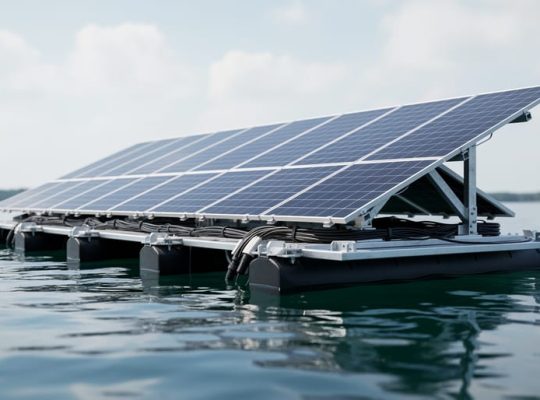
Floating solar panels on a barge over calm water with visible underside mounting and cable routing that suggests electrical isolation from the water.

Why ‘Electrically Floating’ Matters for Safe Floating Solar Installations

Electrically floating a photovoltaic system means intentionally isolating both the positive and negative DC conductors from ground, creating no direct electrical path between the PV array and earth potential. This configuration is not merely recommended for floating solar installations mounted on water bodies; it is a mandatory safety requirement under most electrical codes governing water-based PV systems. Without proper electrical isolation, fault currents can energize the surrounding water, creating life-threatening shock hazards for maintenance personnel, swimmers, and wildlife.
The physics behind this requirement is …

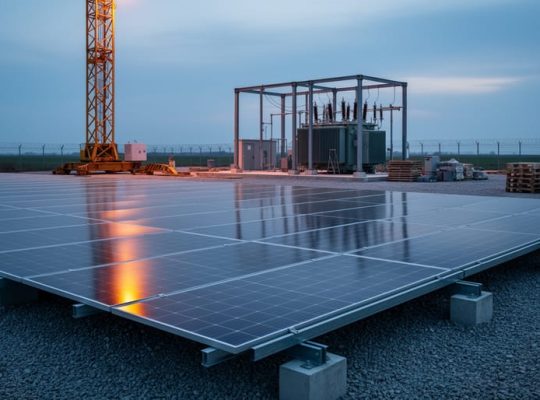
Twilight view of a solar panel installation site with construction equipment and nearby electrical infrastructure in the background.

How to Secure Bridge Construction Loans for Solar Projects: Process, Requirements, and Timeline

Bridge construction loans provide short-term financing that covers the gap between initial solar project development costs and the disbursement of permanent, long-term capital. Typically ranging from six months to three years, these loans enable developers to begin construction immediately while arranging tax equity partnerships, securing institutional financing, or awaiting project completion milestones that trigger permanent funding. The typical bridge loan covers 70-85% of project costs at interest rates between 8-12% annually, significantly higher than permanent financing but essential for maintaining project momentum and meeting …

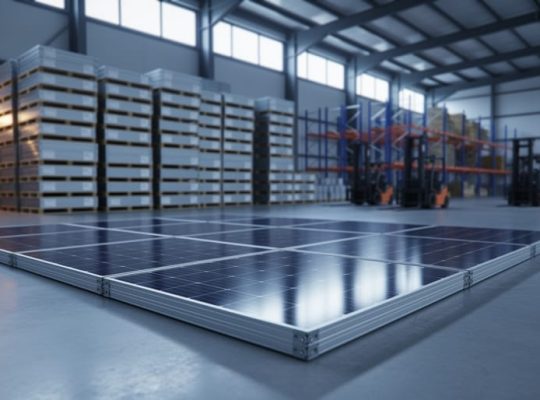
Stacked solar PV modules in a modern warehouse, representing inventory optimization across photovoltaic supply chains.

Supply Chain Inventory Optimization for Solar PV: Eligibility, Implementation Process, and Expert Support

Supply chain inventory optimization in photovoltaic manufacturing and distribution is a structured methodology that balances stock levels, working capital, and service commitments to reduce carrying costs while meeting customer demand during periods of technology transition and market volatility. The process delivers measurable outcomes: typical implementations reduce inventory holding costs by 15 to 30 percent, improve on-time delivery rates, and free up capital for strategic investments in next-generation technologies.
The solar industry presents unique inventory challenges that distinguish it from conventional electronics supply …

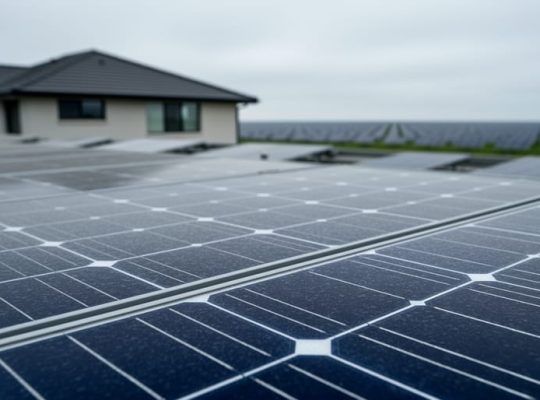
Close-up of a crystalline solar panel module on a rooftop with additional solar arrays softly blurred in the background.

What Is a BP Solar Module (and How Does It Work)?

A BP solar module is a photovoltaic panel manufactured by BP Solar, a subsidiary of British Petroleum that produced crystalline silicon and thin-film solar technology from 1981 until the division’s closure in 2011. These modules converted sunlight directly into electricity through semiconductor materials and were widely installed in residential, commercial, and utility-scale applications across six continents before BP exited the solar manufacturing sector.
Understanding BP solar modules remains relevant for three distinct audiences in 2026. Thousands of BP module installations continue operating worldwide, requiring owners …

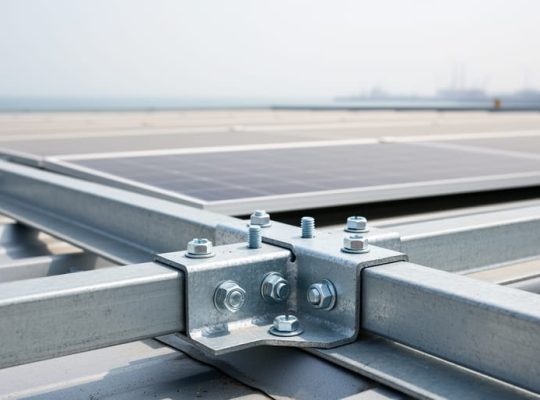
Close-up of galvanized solar PV mounting hardware with zinc-coated fasteners and primer, with a solar panel array softly blurred in the background.

What Is a Zinc Corrosion Inhibitor (and How Does It Protect Solar PV Installations)?

A zinc corrosion inhibitor is a chemical compound or coating that prevents or slows the degradation of zinc and zinc-coated metal components through electrochemical protection, forming a protective barrier that blocks moisture, oxygen, and corrosive agents from reaching the underlying metal surface.
In photovoltaic installations, where galvanized steel frames, zinc-plated fasteners, and zinc-rich primers protect mounting structures from decades of environmental exposure, understanding how these inhibitors function directly impacts system reliability and return on investment. Solar arrays deployed across coastal, industrial, and …

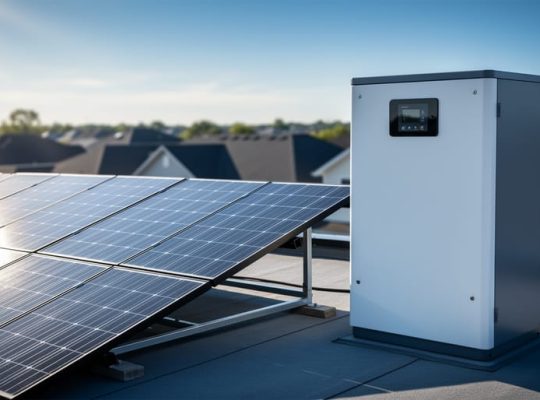
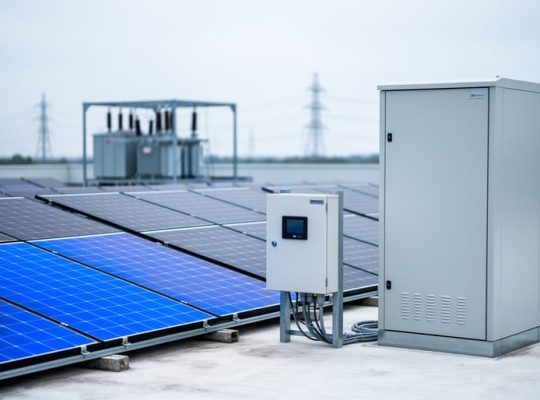
Rooftop solar panels beside a battery energy storage cabinet and inverter equipment under a bright sky, representing PV+BESS system integration.

PV+BESS Systems: How Battery Storage Enhances Solar Energy Yield and Project Feasibility

Pre-feasibility screening for PV+BESS projects determines whether a proposed solar-plus-storage installation justifies detailed engineering and financial analysis by evaluating site conditions, energy demand patterns, grid characteristics, and preliminary economics. This early-stage assessment typically requires three to five days of data collection and analysis, focusing on solar resource availability, load profiles, regulatory environment, and basic system sizing to identify red flags and opportunities before committing significant resources to full feasibility studies.
The integration of battery energy storage systems with …

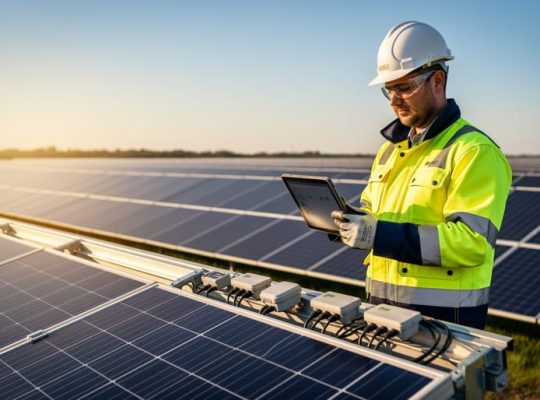
A utility professional inspects sunlit solar panels at a PV farm while using measurement tools for performance verification, captured in an editorial photo style.

How to Implement M&V Professional Practices in PV Operations and Maintenance

Becoming an M&V professional means mastering the systematic process of measuring, verifying, and documenting photovoltaic system performance to ensure predicted energy production aligns with actual output. This specialized skill set combines data acquisition, statistical analysis, and standardized reporting protocols to quantify system efficiency, validate performance guarantees, and identify operational issues before they escalate into significant losses.
The professional application of Measurement and Verification in solar O&M has evolved from optional best practice to essential competency. As the global PV fleet ages and …

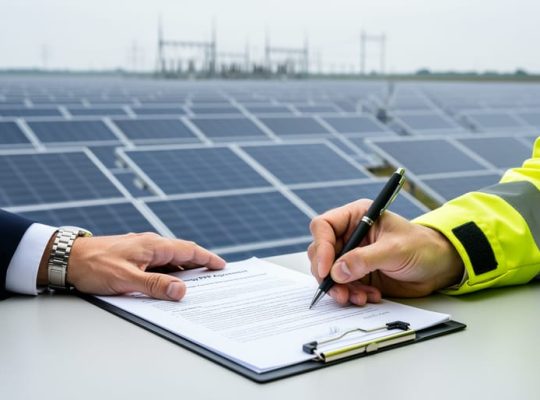
Two people signing a solar public-private partnership contract next to a utility-scale solar farm with rows of photovoltaic panels in the background.

Solar PPP: Eligibility, Structure, How to Participate, and Where to Get Support

Solar public-private partnerships (PPPs) are contractual agreements where government entities and private companies collaborate to finance, design, build, and operate solar energy infrastructure, sharing both investment costs and long-term benefits. These PPP models solve a persistent challenge: how to deploy utility-scale solar installations when public budgets are constrained and private developers need stable, long-term offtake commitments.
The mechanism works through risk-sharing. …

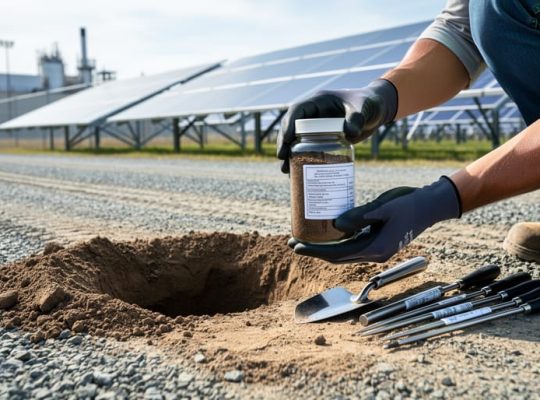
Gloved professional holding a soil sample jar near an excavation site with solar panels in the background, representing Phase 3 environmental remediation.

What Is a Phase 3 Environmental Site Assessment (and When Does Solar Development Need One)?

A Phase 3 Environmental Site Assessment (ESA) is the remediation and cleanup process undertaken when contamination identified during Phase 1 and Phase 2 assessments exceeds regulatory thresholds and poses a risk to human health or the environment. Unlike the investigative stages that precede it, Phase 3 involves active intervention to remove, contain, or neutralize contaminants on a property.
For solar developers, encountering the need for Phase 3 …